
If you’re a car owner who’s still paying off their vehicle, you might be wondering how to sell a car that still has payment, especially if it’s not running, has been in an accident or just isn’t right for you anymore. Selling a car that still has a few years left on its loan is a bit more complicated than selling one that’s fully paid, but it’s definitely possible if you know what you’re doing.
This guide will walk you through each step, so you know exactly what to expect.
Can You Sell a Car That Still Has Payment?
Yes, you can sell a car that still has payment, but the loan must be cleared before ownership can legally change. When a vehicle is financed, the lender holds a lien on the title, which means they must be paid off as part of the sale. This doesn’t stop you from selling it just adds an extra step. As long as the payoff amount is handled correctly and the lien is released, selling a financed car is completely legal and straightforward.
Steps to Sell a Car That Still Has Payment
- Find Out How Much You Still Owe: First things first, you’ll need the exact payoff amount from your lender. Your balance isn’t always the same as what’s left to pay, because interest is added to the total every day. Get in touch with your bank or financing company and ask for a written payoff quote that’s valid for a set period.
- Check the Car’s Current Value: Figure out what your car is worth in its current condition. Things like mileage, age, mechanical issues and body damage all affect the value. If the car’s damaged or not running, its value might be lower, but you can still sell it.
- Compare the Sale Price to the Loan Balance: Once you know the payoff amount and the car’s value, just compare the two. If the sale price is higher than the loan balance, the lender gets paid first and you get the rest. If the sale price is lower, you’ll need to cover the difference so the lien can be cleared.
- Choose a Buyer Who Handles Financed Cars: Not all buyers are willing or able to deal with vehicles that still have payments. That’s why it’s important to work with a buyer who understands the process. This takes a lot of pressure off you and keeps the transaction moving smoothly.
- Pay Off the Loan and Release the Lien: Once the sale’s agreed, the loan has to be paid off. Sometimes, the buyer pays the lender directly. In some cases, you can handle the payout yourself using funds from the sale. Once we’ve received your payment, the lender will issue a lien release, which confirms that the loan has been cleared.
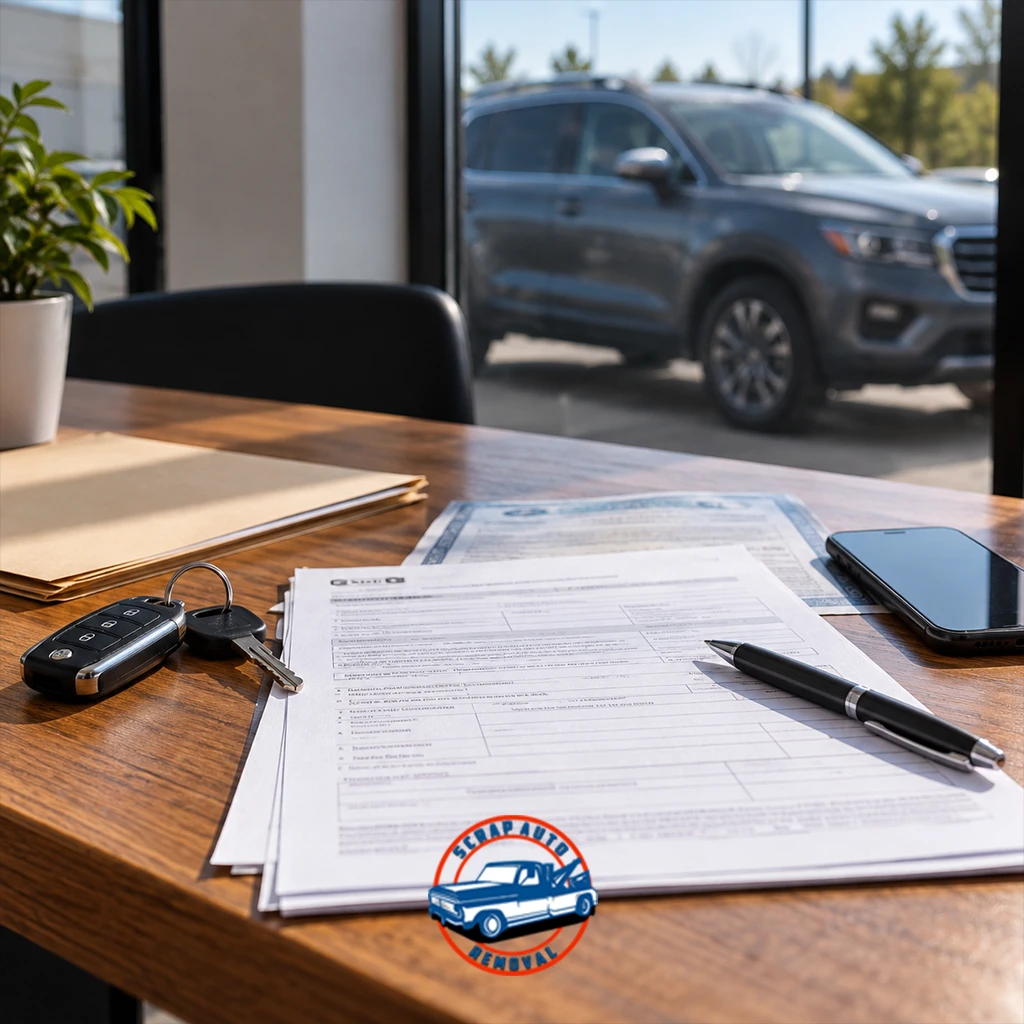
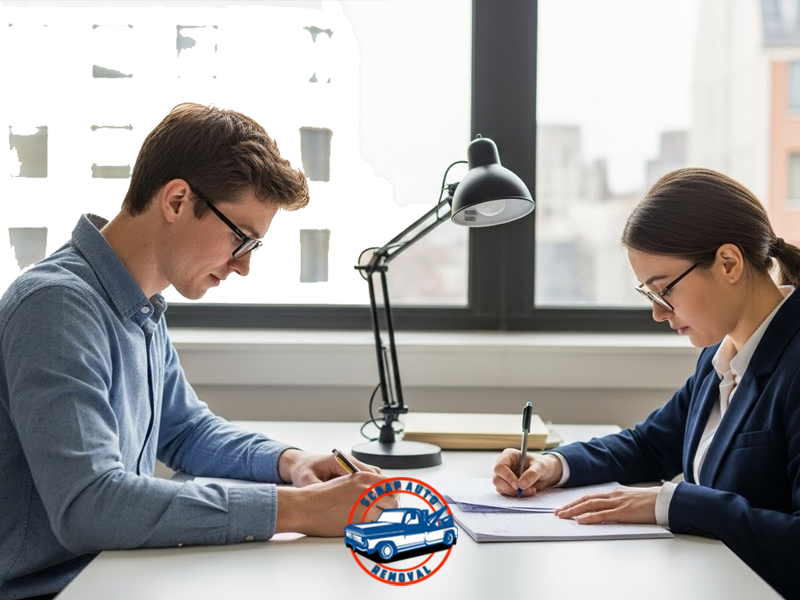
- Complete Ownership Transfer and Paperwork: Now that the lien’s been released, you can transfer the car to the buyer legally. This step involves signing over the title or completing other required ownership documents, depending on where you are. Make sure you keep hold of all your paperwork, like payoff confirmation and transfer documents, so you have a record for future reference.
- Arrange Pickup or Towing: If the car isn’t drivable, many buyers offer towing or pickup services. This is really useful when you’re trying to sell a damaged or scrap vehicle.
Read Also: High Resale Value Cars
Conclusion
Learning how to sell a car that still has payment is much easier than it seems. In my opinion, the key is understanding your loan, clearing the lien properly, and working with a buyer who knows how financed vehicle sales work. If your car’s not worth keeping or it’s costing you money, why not sell it to Scrap Auto Removal ? Get in touch right now to arrange a pickup time.