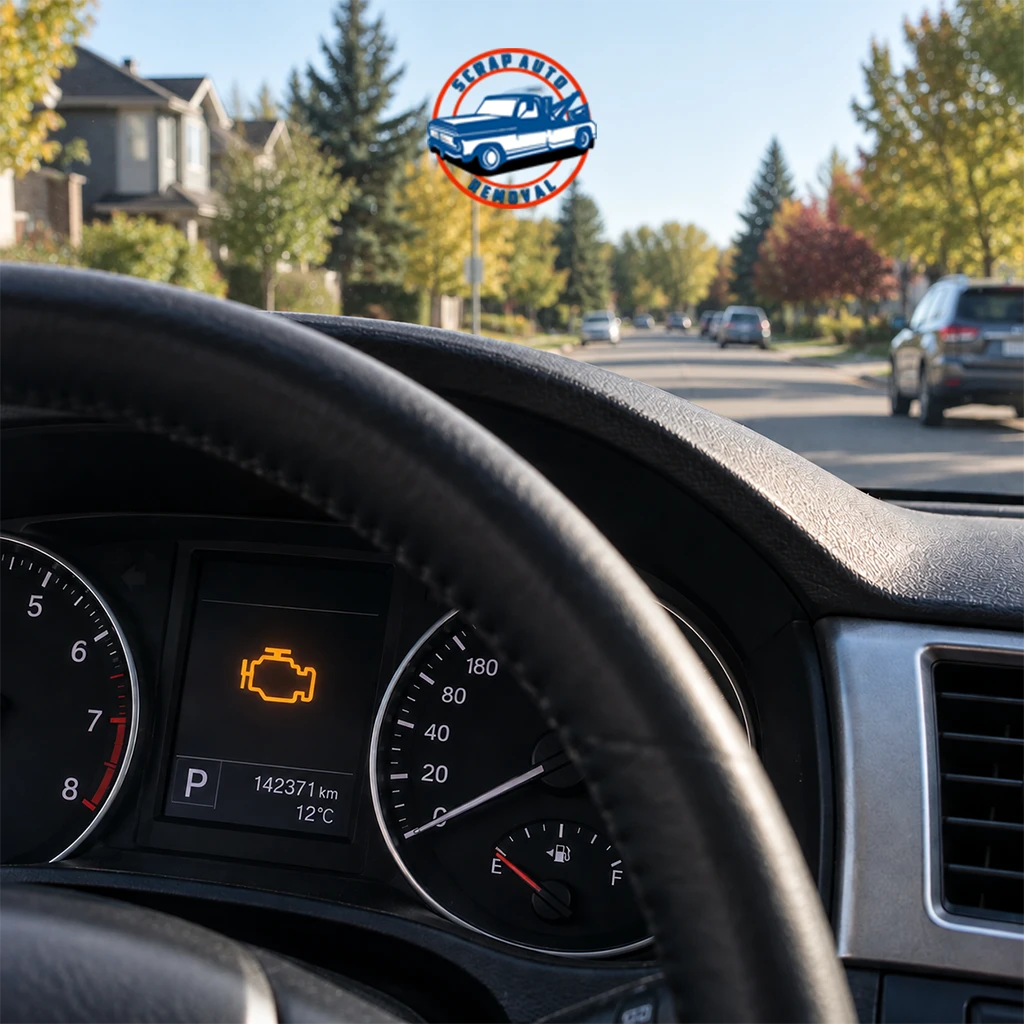
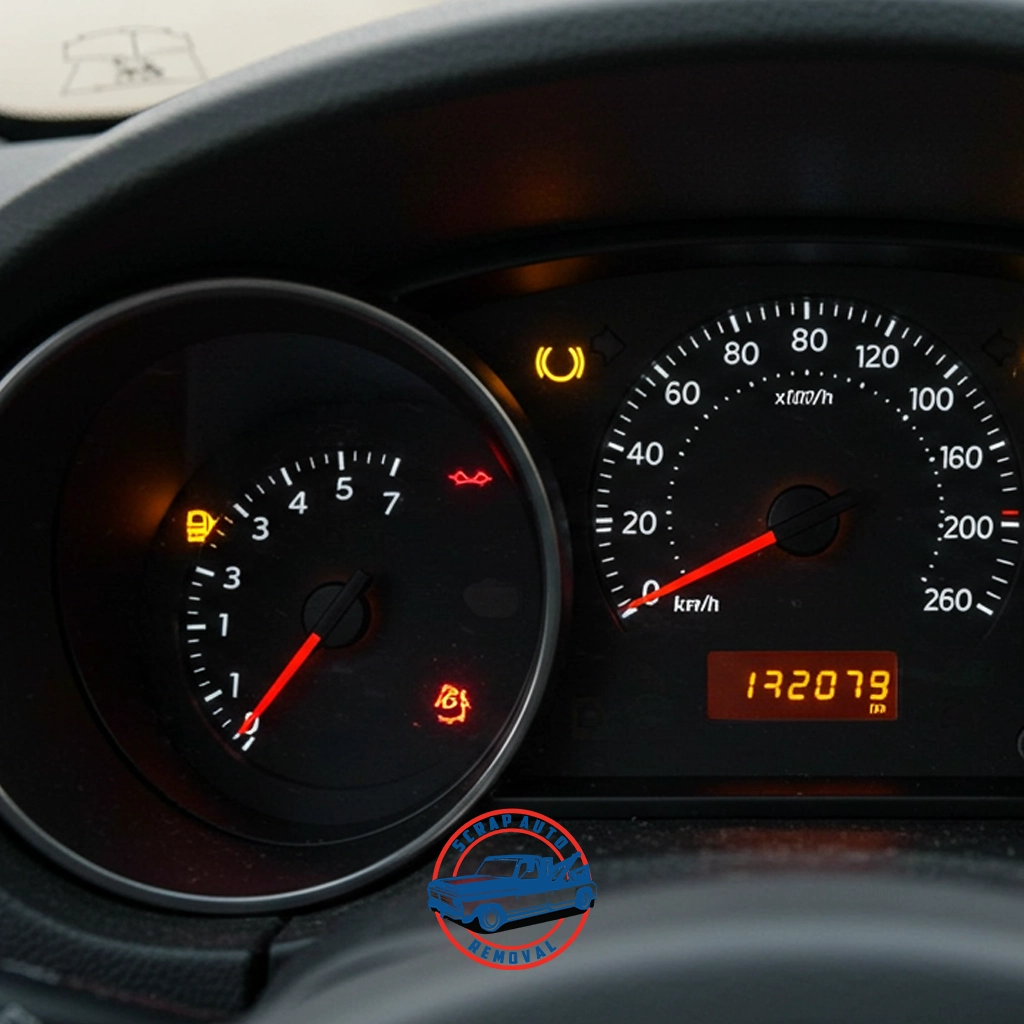

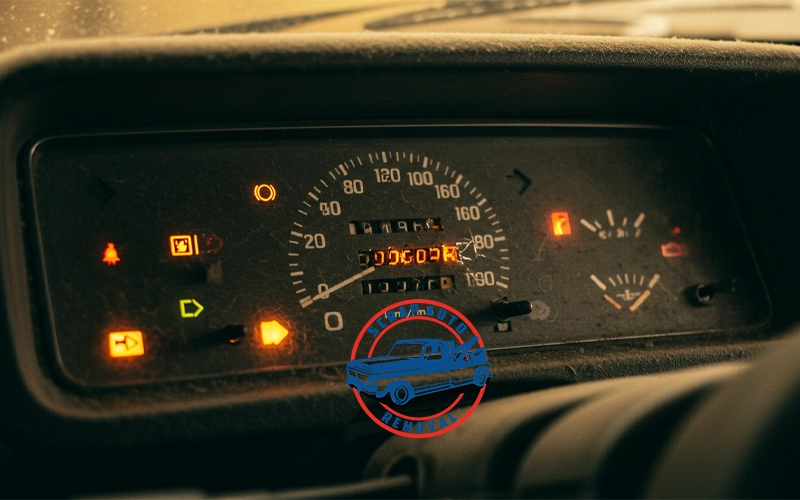
Ugh, the dreaded dash light. Or maybe it’s just frozen, stuck on a number that hasn’t changed in weeks. Discovering your odometer is broken can feel like a punch to the gut, especially when you’re thinking about selling your car. You might be wondering, “Is this even legal? Will anyone buy a car if they don’t know the true mileage?” The thought of selling a car with a broken odometer can certainly raise a lot of questions and a fair bit of anxiety.
Think of it this way: while a broken odometer is a significant issue, it’s not the end of the road for your car’s sale. It simply means you’ll need to approach the process with extra care, complete transparency, and a solid understanding of the legal requirements. You can absolutely navigate this problem, but it demands honesty and a willingness to provide as much verifiable information as possible.
So, let’s break down the essential steps and crucial considerations for selling a car with a broken odometer right here in Alberta, with this Calgary Scrap Auto Removal ensuring you handle everything smoothly and legally.
Why a Broken Odometer is a Big Deal (and a Legal Minefield)
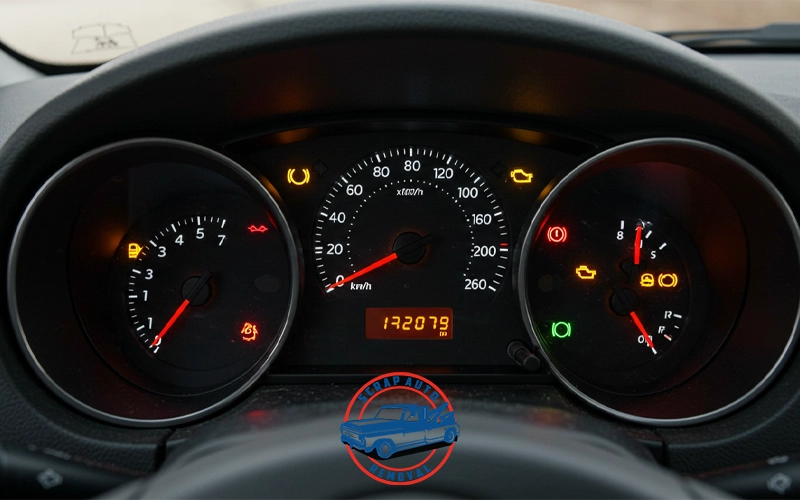
The odometer is far more than a mere numerical display; it stands as a pivotal indicator of a vehicle’s wear and tear, critically influencing its market value and informing buyers about its estimated remaining lifespan and potential future maintenance costs. Consequently, when contemplating selling a car with a broken odometer, this malfunction immediately raises significant red flags.
Without an accurate mileage reading, value assessment becomes incredibly challenging for buyers, while the mere presence of a broken odometer can foster a perception of deception, leading to suspicions of odometer tampering or fraud, even if the malfunction was accidental. More critically, there are severe legal implications: odometer tampering is explicitly illegal in both Canada and the U.S., and selling a vehicle with a broken odometer without full, proper disclosure constitutes a serious legal grey area that can result in substantial fines, lawsuits, and even criminal charges for the seller.
Furthermore, in certain jurisdictions, an accurate odometer reading may be a prerequisite for safety inspections or certification processes. Comprehending these profound implications is essential for appreciating why absolute transparency is not just advisable, but critical when navigating the sale of a car with this particular issue.
Your First Step: Documenting the Problem
Before you do anything else, document everything you know about the odometer malfunction. This will be invaluable for building trust with potential buyers and protecting yourself legally.
- When did it break? Note the exact date or approximate timeframe when you noticed the odometer stopped working or malfunctioned.
- What was the mileage then? Record the mileage reading at the moment you realized it was broken. Take a photo of the odometer if possible, even if it’s stuck.
- How did it break? Was it sudden? After a specific event (e.g., a battery change, a repair)?
- Have you tried to fix it? If so, keep records of any mechanic’s assessments or repair attempts.
- Ongoing Mileage: From the moment it broke, you need to keep a meticulous record of every kilometer driven. This could be done via a logbook, GPS tracking, or even by noting your trip odometer if that is still functional. This shows diligence and an effort to track true mileage.
The Repair Dilemma: Fix It or Sell As-Is?
It’s almost always the best option if the issue is a relatively inexpensive fix, such as a loose connection, a simple sensor, or an easily replaceable instrument cluster. The cost of such a repair is typically low, and a functioning odometer immediately removes a major barrier for potential buyers, significantly enhancing the car’s appeal and value.
This strategy is particularly advisable for high-value or newer vehicles; in these cases, the cost of fixing the odometer is likely a very small fraction of the overall value lost if you were to sell the car with the problem unresolved. Ultimately, repairing the odometer makes your car much more appealing and less problematic, especially if your goal is to attract private buyers who generally expect and prefer a fully functional odometer for their peace of mind and to accurately gauge the vehicle’s history.
When Selling As-Is is Smarter
When you’re trying to figure out how to navigate the problem at hand, sometimes selling it “as-is” is actually the more sensible path. This is especially true if the repair is expensive, perhaps involving a full instrument cluster replacement or a complex electrical diagnosis that could cost hundreds or even thousands. For older or less valuable vehicles, pouring money into such a fix might not be financially sound, as you likely won’t recoup the repair cost in the sale price.
Furthermore, if your car has other significant issues—like major engine problems, transmission trouble, or extensive rust—adding an odometer repair on top of that might simply not make sense, given the car’s already low perceived value. Often, the main drivers are prioritizing speed and convenience; selling as-is is almost always a faster process with far less hassle than coordinating and paying for a major repair.
This approach also allows you to target specific buyers who are actively looking for vehicles with documented issues at a discounted price, like mechanics or DIY enthusiasts, streamlining your sale.
Read Also: Selling a Car with a Bad Transmission for Cash: A Quick Guide
Legal and Ethical Disclosure: Honesty is Your ONLY Option
When selling a car with a broken odometer in Alberta (or anywhere else!), full and complete transparency is not just ethical; it’s legally required. Attempting to hide or downplay this issue, or misrepresenting the mileage, can lead to severe legal repercussions, including lawsuits, fraud charges, hefty fines, and even criminal penalties.
- Clearly State the Odometer is Broken: This must be prominent in your online advertisement, classified, or any conversation with potential buyers. For example: “Odometer is currently not functioning, mileage stopped at [X km] on [Date].”
- Provide Mileage Records: Share all the documentation you collected in Step 1 (photo of mileage when broken, logbook of kilometers driven since). The more evidence you have, the more credible you appear.
- Obtain a Sworn Affidavit (Highly Recommended): In Alberta, when the odometer is inoperative or has been repaired/replaced, you are required to submit an odometer declaration when registering the vehicle. As a seller, it’s a good idea to prepare a sworn affidavit detailing:
- The date the odometer broke.
- The mileage reading at that date.
- An estimate of the kilometers driven since it broke.
- A statement that no odometer tampering occurred. This document helps protect you and provides the buyer with formal proof.
- Answer Questions Honestly: Be prepared for extensive questioning about the odometer, the car’s estimated total mileage, and its maintenance history.
- Bill of Sale Clause: Ensure your Bill of Sale explicitly states that the odometer is broken/not functioning and reflects the mileage as “actual unknown” or similar, clearly noting the last known mileage and estimated additional kilometers.
Transparency builds trust and is your best legal protection.
Finding the Right Buyer: Who Wants a Mileage Mystery?
The pool of potential buyers for a car with a broken odometer is narrower, but not empty. You’ll primarily be targeting specific types of buyers:
Mechanics or Automotive Enthusiasts: These individuals often have the expertise to assess a vehicle beyond just its odometer reading. They are looking for a significant discount and might be interested in the car for parts or a project.
“Fixer-Upper” or Project Car Seekers: Buyers looking for a cheap vehicle they can gradually restore are often less deterred by a broken odometer, especially if the rest of the car is appealing.
Used Car Dealerships (Wholesale/Auction Bound): Some smaller, independent used car lots might be interested, but they will offer a very low price. They’ll factor in the risk and the cost of repairing or selling it as an “actual mileage unknown” vehicle, or simply send it to an auction.
Parts Cars: If the car is older, has other significant issues in addition to the odometer, and is not worth fixing, someone might buy it solely for its functional components.
Scrap Auto Removal Services: For vehicles where the broken odometer is just one of many issues, making the car not worth the hassle of a private sale, a scrap auto removal service is a practical option. For those in Calgary with a car with a broken odometer that’s become more trouble than it’s worth, Scrap Auto Removal offers a straightforward solution. We buy vehicles in any condition, handle the pickup, and simplify the process of getting it off your hands and getting you some cash.
Strategic Pricing: Navigating Odometer Uncertainty
Your asking price absolutely must reflect the inherent uncertainty surrounding the true mileage and the significant discount buyers will rightfully expect. Begin by diligently estimating the total mileage, combining your documented reading at the time of breakage with your meticulously logged kilometers driven since the malfunction, to provide the most accurate possible figure.
Next, research comparable cars by looking up market values for similar make, model, and year vehicles with known mileage that closely aligns with your estimated total. From that comparable value, you will then need to apply a substantial discount specifically to account for the broken odometer; buyers will typically deduct more than just the cost of a new instrument cluster, factoring in the increased risk, the unknown extent of wear, and the administrative hassle associated with an “actual unknown” mileage title, with this discount potentially ranging from 10-30% or even more, depending on the vehicle and the duration of the odometer’s malfunction.
Finally, be openly prepared for significant negotiation, as buyers interested in cars with known major issues expect to negotiate heavily. Therefore, strategically set your initial price slightly above your absolute minimum, but remain flexible and prepared to concede, knowing your bottom line has been realistically calculated to account for this unique challenge.
Final Steps
Once you’ve found a buyer and agreed on a price:
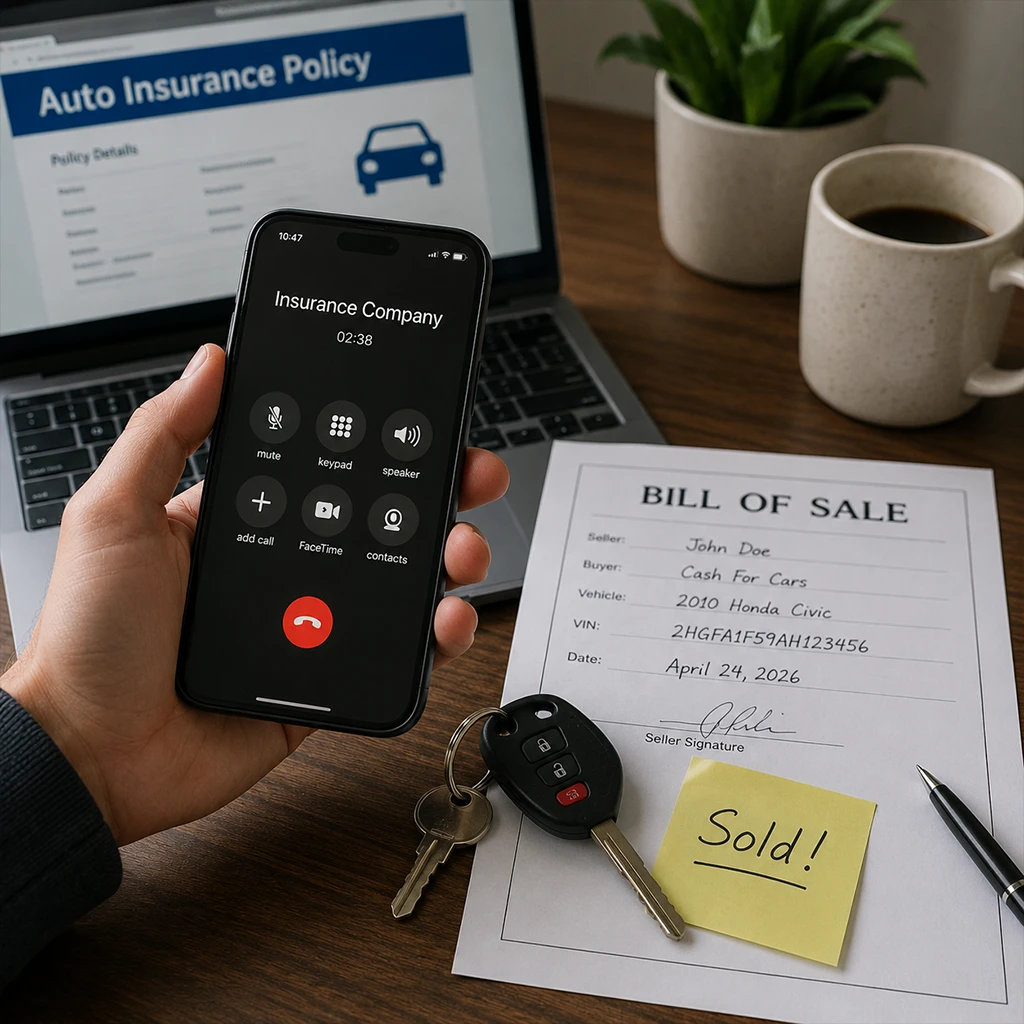
- Bill of Sale: Use a comprehensive Bill of Sale. Clearly state the vehicle’s condition, specifically noting the broken odometer, the last known mileage reading, and an estimate of the kilometers driven since it broke. The mileage should be stated as “actual unknown” or similar on the Bill of Sale. Include the VIN, sale price, and date. Both buyer and seller should sign it, and you must keep a copy.
- Odometer Declaration (Alberta): As the seller, you might be required to complete an odometer declaration form when the vehicle is registered by the new owner, indicating the odometer is inoperative or inaccurate. Ensure the buyer understands they will need to submit this.
- Transfer of Ownership: Sign over the vehicle portion of your Alberta Registration Certificate to the buyer. This formally transfers legal ownership.
- Remove Licence Plates: In Alberta, licence plates belong to you. Remove them before the vehicle leaves your property. You can transfer them to another vehicle or return them to an Alberta registry agent for cancellation.
- Cancel Registration: As soon as the car is sold and picked up, officially cancel its registration with an Alberta registry agent. This is crucial to avoid any future liability.
- Obtain a Receipt/Proof of Sale: Get a receipt from the buyer. If selling to a salvage yard, they may provide a Certificate of Destruction. This is your proof that you legally disposed of the vehicle.
Conclusion: Transparency is Your Best Friend
Selling a car with a broken odometer requires a higher degree of diligence and absolute transparency, but it’s certainly achievable. By meticulously documenting the issue, being upfront with all potential buyers, and providing as much verifiable mileage information as possible, you can build the trust necessary to complete the sale. While you’ll need to adjust your pricing expectations, a pragmatic approach will lead you to a successful outcome, allowing you to responsibly pass on a vehicle that’s been a bit of a mileage mystery.