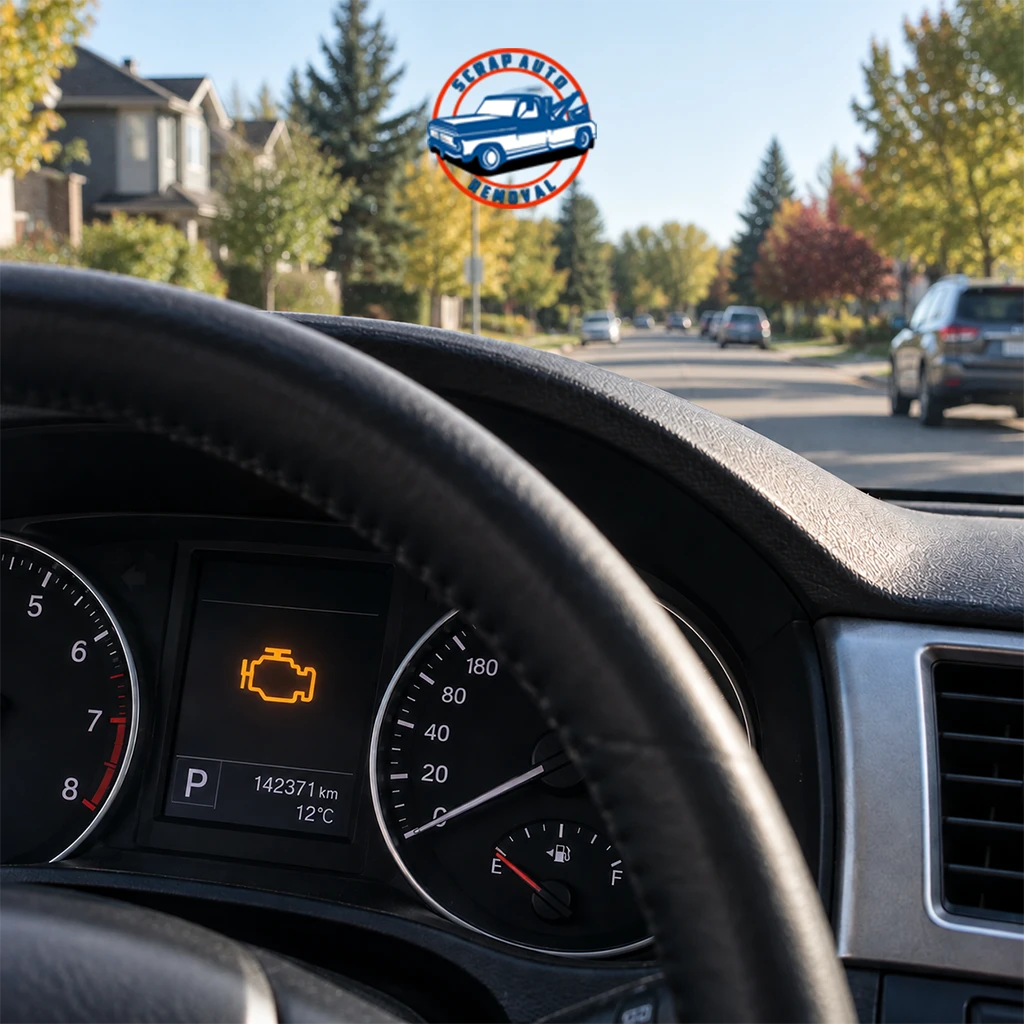
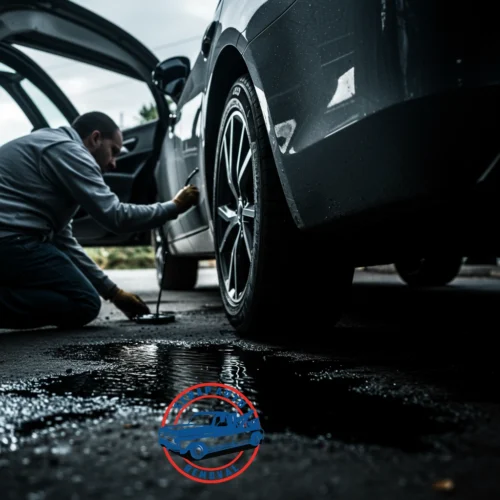

That small puddle under your car is hard to ignore and if you’re Selling a Car With an Oil Leak, it’s normal to worry about how it affects the sale. Will buyers walk away? Do you need to disclose it? These questions come up more often than you’d think.
For many Alberta drivers, an oil leak turns into a decision point, especially when repair costs don’t match the car’s value. Ignoring the issue isn’t ideal, but fixing it isn’t always worth it either.
This guide walks you through the realities of Selling a Car With an Oil Leak, explains what matters most to buyers, and helps you understand your options so you can move forward with confidence.
Facing the Facts: Understanding the Oil Leak
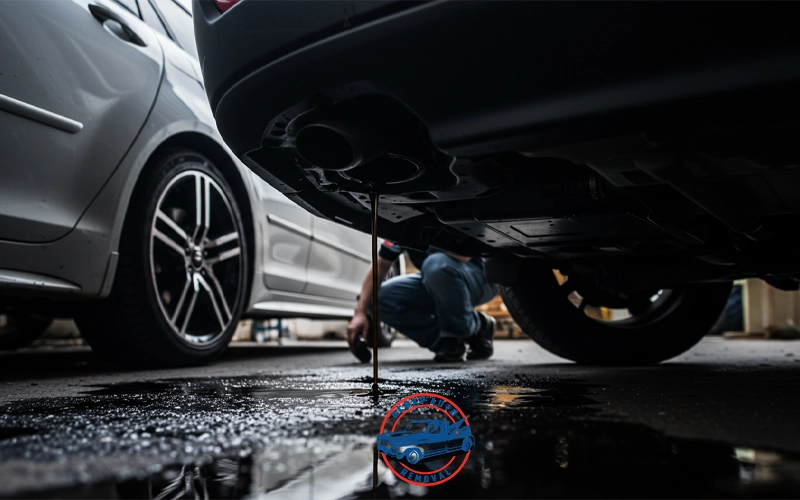
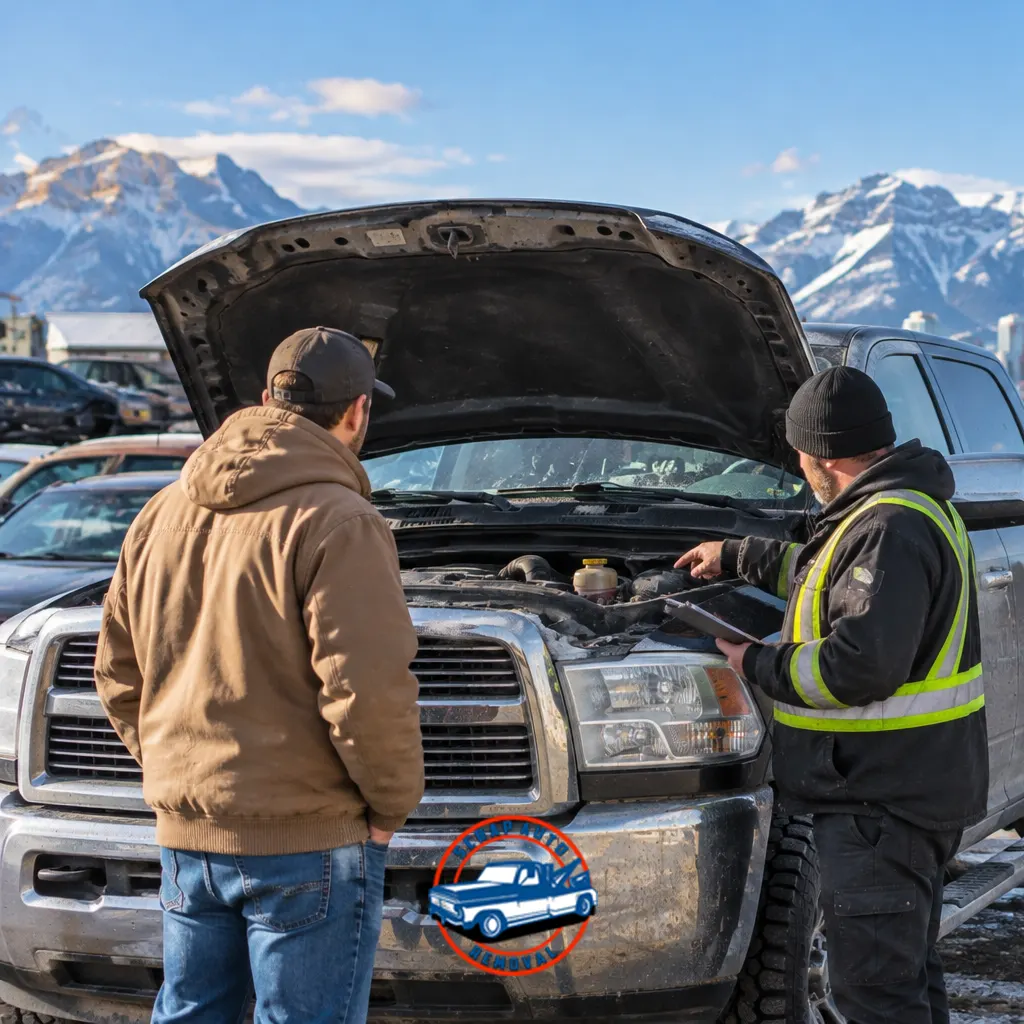
Before you even think about putting a “For Sale” sign on your car, it’s wise to get a handle on the oil leak itself. Is it a slow weep that leaves a tiny drop overnight, or is it a more significant issue that requires frequent top-ups? Knowing the severity and, if possible, the source of the leak will help you be more transparent with potential buyers and set realistic expectations.
Common culprits for oil leaks include worn gaskets (like the valve cover or oil pan gasket), faulty seals (such as the rear main seal), a loose oil drain plug, or even a damaged oil pan. If you’re not mechanically inclined, a quick visit to a trusted mechanic for a diagnosis can provide valuable information.
Your Ethical and Legal Obligations: Disclosure is Key
When selling a car with an oil leak in Alberta, honesty is paramount. You are legally and ethically obligated to disclose any known issues with the vehicle, and an oil leak definitely falls into that category. Trying to hide a problem like this can lead to legal repercussions and damage your reputation.
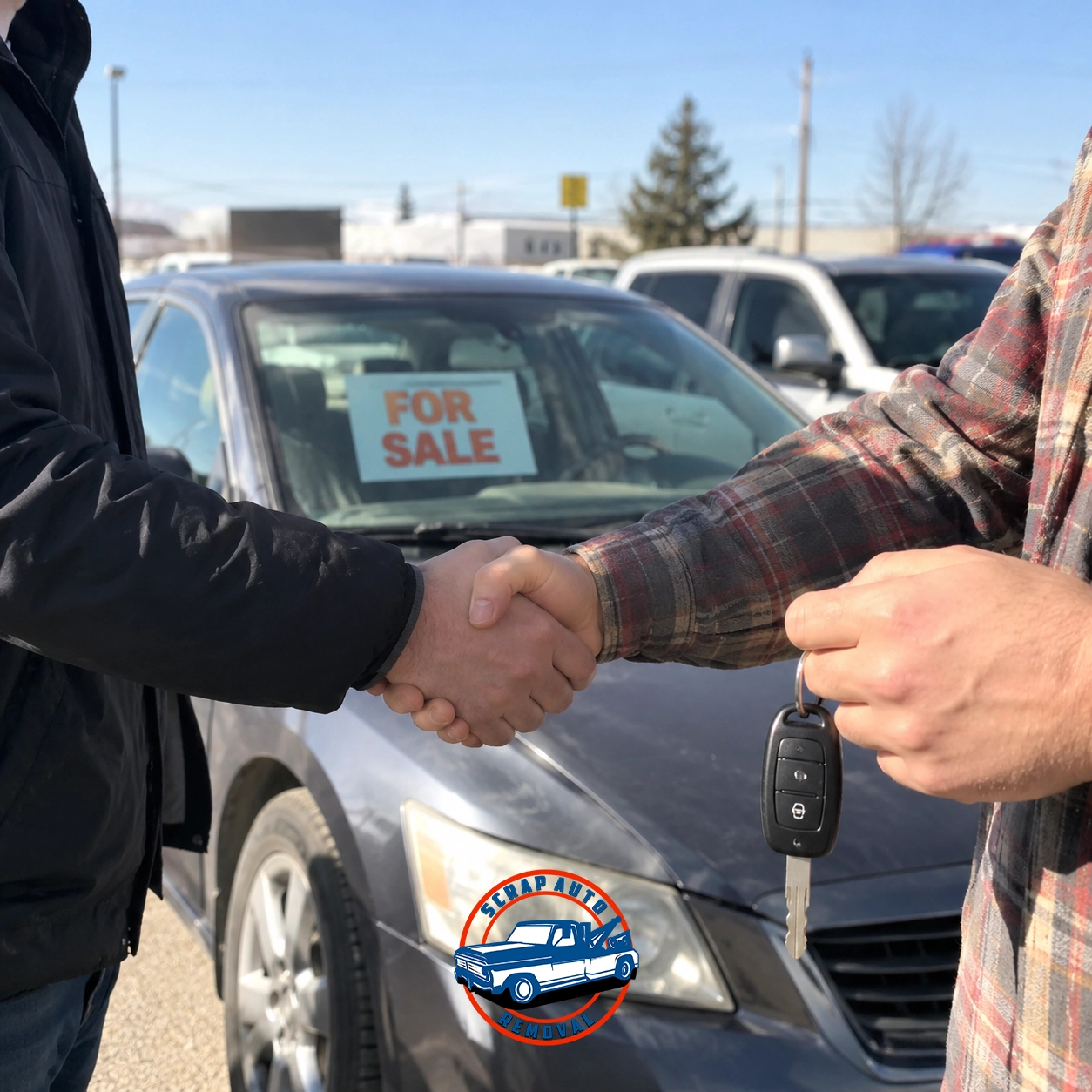
Be upfront in your listing and during any in-person viewings about the oil leak. Explain what you know about it – when you first noticed it, how severe it seems to be, and if you’ve had it looked at by a mechanic. Transparency builds trust and can actually attract buyers who are looking for a project car or are willing to address the issue themselves.
To Fix or Not to Fix? Weighing Your Options
A common question is whether you should invest in repairs before listing it. There’s no one-size-fits-all answer, as it depends on several factors:
- Cost of Repair: Get a quote from a reputable mechanic to fix the oil leak. If the repair is relatively inexpensive, it might be worth doing to attract a wider pool of buyers and potentially command a higher selling price.
- Severity of the Leak: A minor, easily fixable leak might be worth addressing. However, a major leak that requires significant engine work might not be financially sensible to repair before selling, especially on an older or higher-mileage vehicle.
- Your Target Buyer: If you’re aiming for someone looking for a daily driver, fixing the leak might be necessary. However, if you’re targeting a buyer interested in a project car or someone who does their own repairs, selling it as-is with a disclosed leak could be acceptable.
- Your Selling Price: Factor the cost of repair into your potential selling price. Will fixing the leak allow you to sell the car for significantly more, recouping your repair costs?
Finding the Right Buyer: Who’s Interested in a Leaky Ride?
DIY Enthusiasts or Mechanics: A Fixer-Upper Opportunity
You might be surprised, but there’s a whole community of folks out there who actually enjoy getting their hands greasy! DIY enthusiasts and experienced mechanics often see a car with a known issue like an oil leak not as a problem, but as an opportunity. They have the skills, the tools, and the know-how to diagnose and repair the issue themselves, often at a fraction of the cost of taking it to a professional shop.
For these buyers, a car with a disclosed oil leak can be a way to get a vehicle at a significantly lower price than one in perfect running condition. They’re often looking for projects or a reliable vehicle that they can personally maintain and repair. Highlighting the car’s other positive attributes, like low mileage or a well-maintained interior, can make your leaky ride even more appealing to this resourceful group.
People Looking for a Short-Term or Beater Vehicle: Affordable Transportation
Not everyone is looking for their forever car. Some folks need temporary transportation – perhaps while they save up for a new vehicle, or maybe they just need a reliable “beater” for short commutes or specific tasks. These buyers are often very price-sensitive and might be willing to overlook a minor oil leak, especially if the price is right and the car is otherwise functional. As long as the leak isn’t catastrophic and the car is safe to drive, this segment of the market can be a viable option for selling a car with an oil leak. Being transparent about the leak’s severity and offering a competitive price will be key to attracting these budget-conscious buyers.
Salvage Yards or Auto Recyclers: End-of-Life Solutions
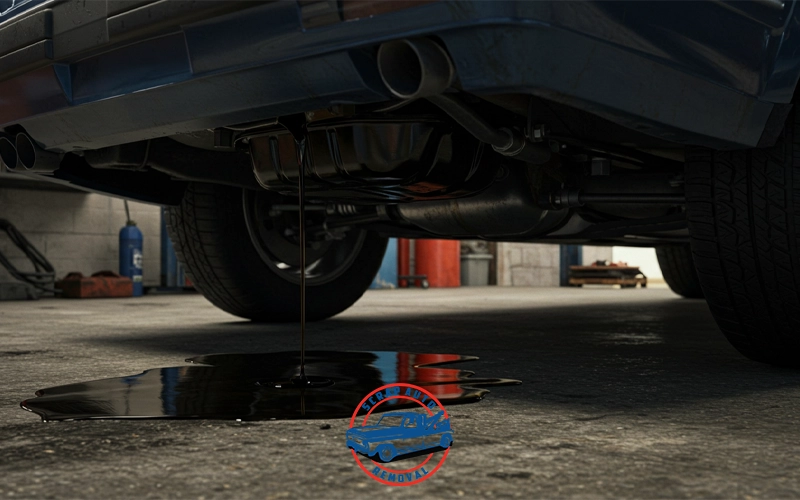
If the oil leak is severe, the car is very old, or it has other significant issues in addition to the leak, then selling it to a salvage yard or auto recycler might be the most practical option. These businesses specialize in taking end-of-life vehicles and extracting any valuable parts or materials. While you won’t get top dollar, it’s a straightforward way to get rid of a vehicle that’s no longer practical to repair or sell to a private buyer.
For those in Calgary looking for a quick and easy way to dispose of a car with significant problems, including major oil leaks, Calgary Scrap Auto Removal offers a convenient service. We can assess the vehicle and provide a fair offer based on its salvage value, handling the removal process for you.
Pricing it Right: Reflecting the Issue
When considering selling a car with an oil leak, your asking price needs to reflect the cost and inconvenience of the problem. Research the market value for your car’s make, model, year, and mileage, and then deduct an appropriate amount to account for the oil leak. Be transparent with potential buyers about how you arrived at your price.
Highlighting the Positives (If Any)
Even with an oil leak, your car might have other appealing features. Perhaps it has relatively low mileage for its age, a recent set of tires, a great sound system, or a clean interior. Make sure to highlight these positive aspects in your listing to attract buyers.
The Final Word
From what we’ve seen across Alberta, most sellers start by considering repairs but quickly realize the cost doesn’t always add up, especially on older vehicles. We’ve worked with owners who disclosed minor leaks honestly, avoided wasted inspection fees, and still completed a smooth sale by choosing the right buyer from the start.
This is where Scrap Auto Removal becomes the practical solution. Instead of spending hundreds or thousands on repairs that won’t increase resale value, many Alberta drivers turn leaking vehicles into fast, guaranteed cash saving time, avoiding stress, and getting fair value for a car that no longer makes sense to fix.