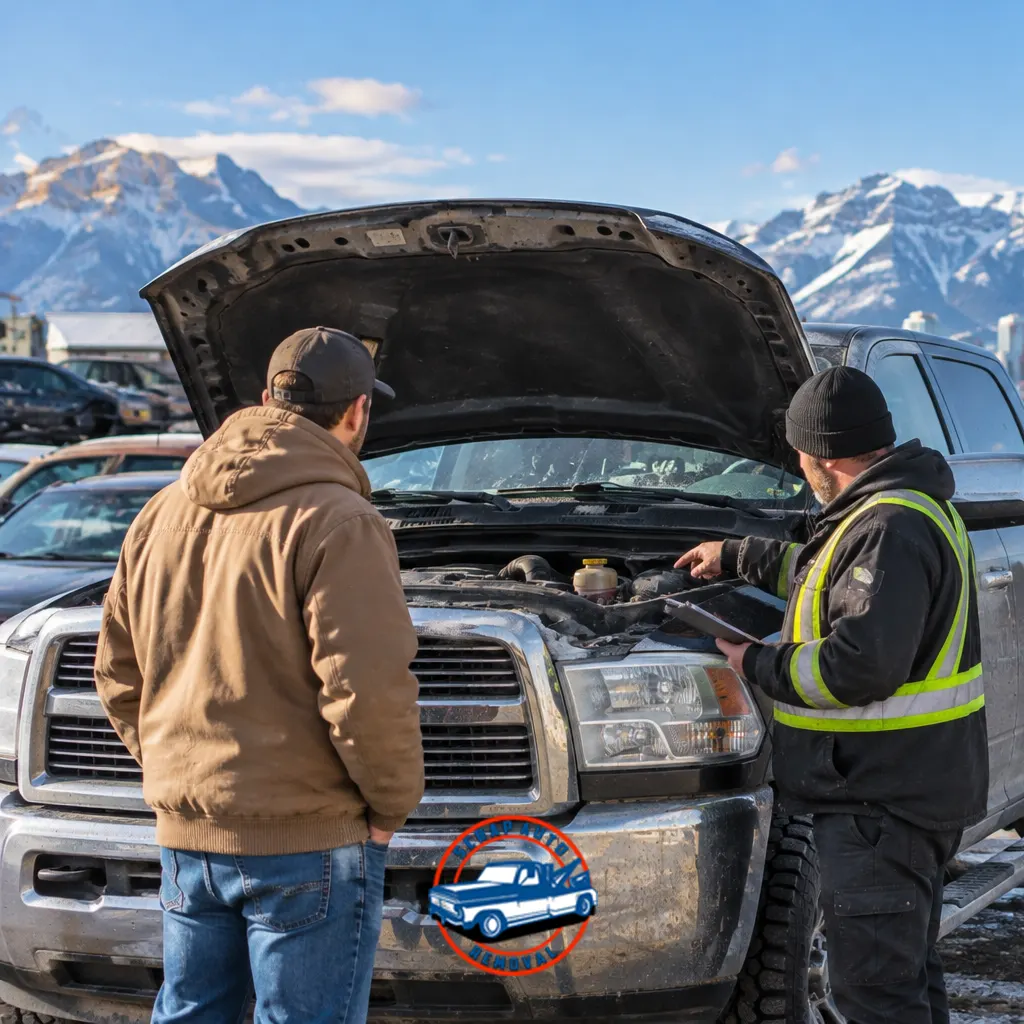


Cars are reliable most of the time, but no vehicle is completely free of problems. At some point, every driver runs into issues, whether it’s a strange noise, a warning light, or trouble starting the engine. Knowing the most common car issues and how to fix them can save you time, money, and stress. In this blog, we’ll cover ten of the most common car issues and how to fix them.
1- Dead Battery
A dead battery is one of the most common reasons cars won’t start. It often happens due to old age, leaving lights on, or extreme weather.
How to fix it:
Try jump-starting the car. If the battery is more than three to five years old, replacing it is usually the best option.
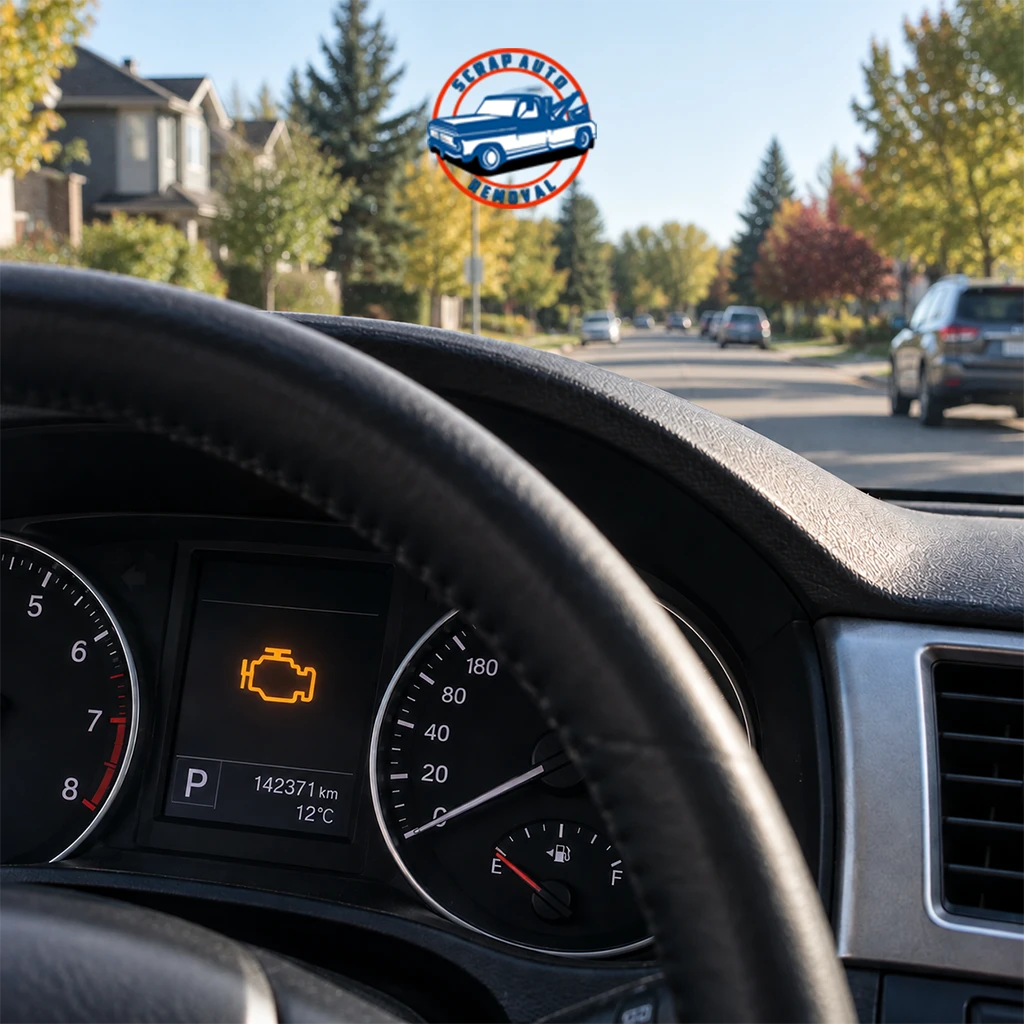
2- Check Engine Light
Seeing the check engine light can be worrying, but it doesn’t always mean something serious. It could be triggered by a loose gas cap or a sensor issue.
How to fix it:
Start by tightening the gas cap. If the light stays on, use an OBD scanner or visit a mechanic to identify the exact problem.
3- Worn Brake Pads
Squeaking or grinding noises when braking usually mean your brake pads are worn out. Ignoring this can lead to more expensive brake repairs.
How to fix it:
Replace the brake pads as soon as possible. Regular brake inspections help prevent damage to the rotors.
4- Flat or Low Tires
Low tire pressure or punctures can affect handling and fuel efficiency. Driving on a flat tire is unsafe and can damage the wheel.
How to fix it:
Inflate the tire to the recommended pressure. If there’s a puncture, patch or replace the tire depending on the damage.
5- Engine Overheating
An overheating engine can be caused by low coolant, a broken radiator fan, or a failing thermostat.
How to fix it:
Pull over immediately and let the engine cool down. Check coolant levels and look for leaks. If overheating continues, get professional help.
6- Faulty Alternator
If your lights are dim or the battery keeps dying, the alternator may not be charging properly.
How to fix it:
Have the alternator tested. Replacement is usually required if it’s failing.
7- Transmission Problems
Slipping gears, delayed shifting, or strange noises can indicate transmission trouble.
How to fix it:
Check the transmission fluid level and condition. If problems continue, a mechanic should inspect it right away since transmission repairs can be costly.
8- Bad Spark Plugs
Worn spark plugs can cause poor fuel economy, rough idling, and trouble starting.
How to fix it:
Replace spark plugs according to your vehicle’s maintenance schedule. It’s a simple and affordable fix.
9- Exhaust System Issues
A loud exhaust noise or rattling sound could mean a leak or broken component in the exhaust system.
How to fix it:
Have the exhaust inspected. Small leaks can often be repaired, but rusted sections may need replacement.
10- Steering and Suspension Problems
If your car pulls to one side or feels unstable, there may be issues with alignment, shocks, or suspension parts.
How to fix it:
Get a wheel alignment and suspension inspection. Replacing worn components improves handling and safety.
Read Also: How to Sell a Car Remotely
Conclusion
Car problems are part of owning a vehicle, but many common car issues can be fixed quickly if caught early. I believe paying attention to warning signs, keeping up with regular maintenance, and addressing small problems before they grow can save you money and keep your car running safely. Knowing what to look for makes dealing with car issues a lot less stressful. If you own a car that’s beyond repair, contact Scrap Auto Removal. We’ll take it off your hands.