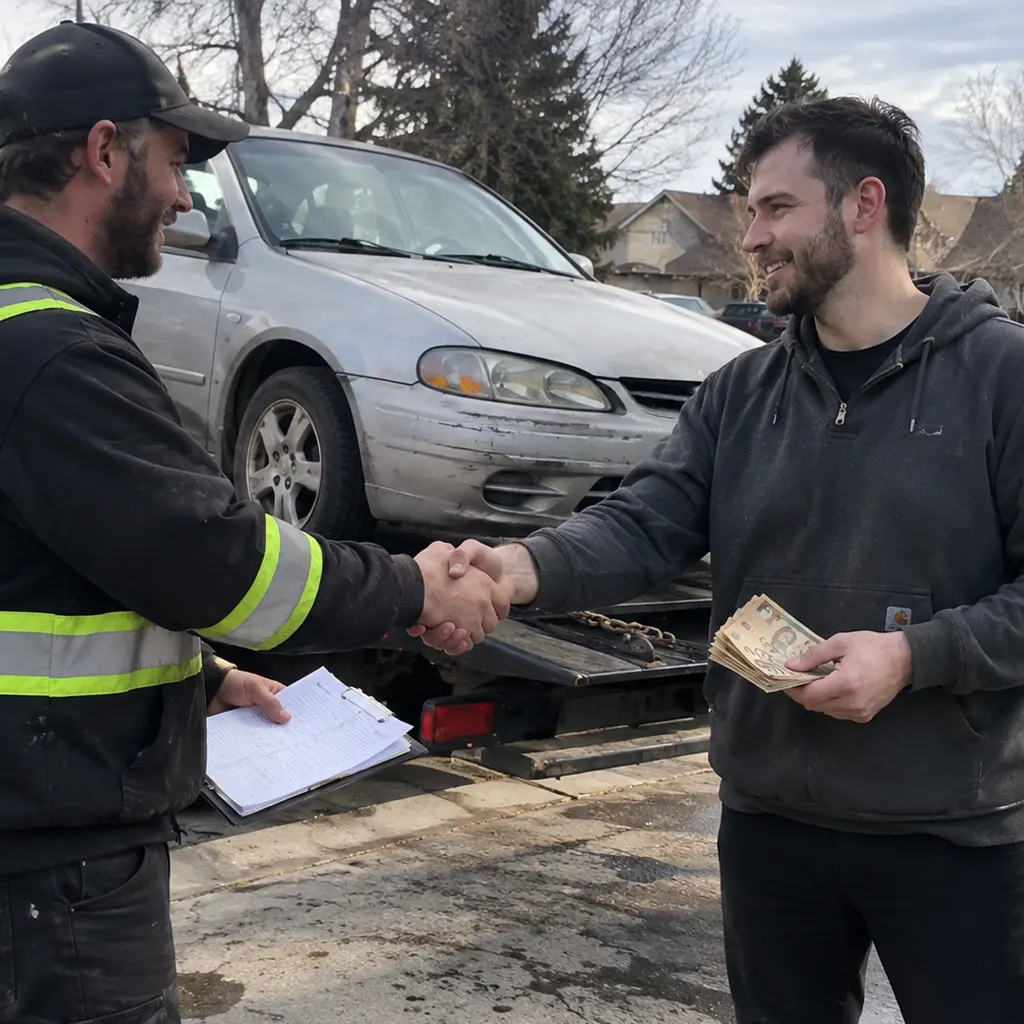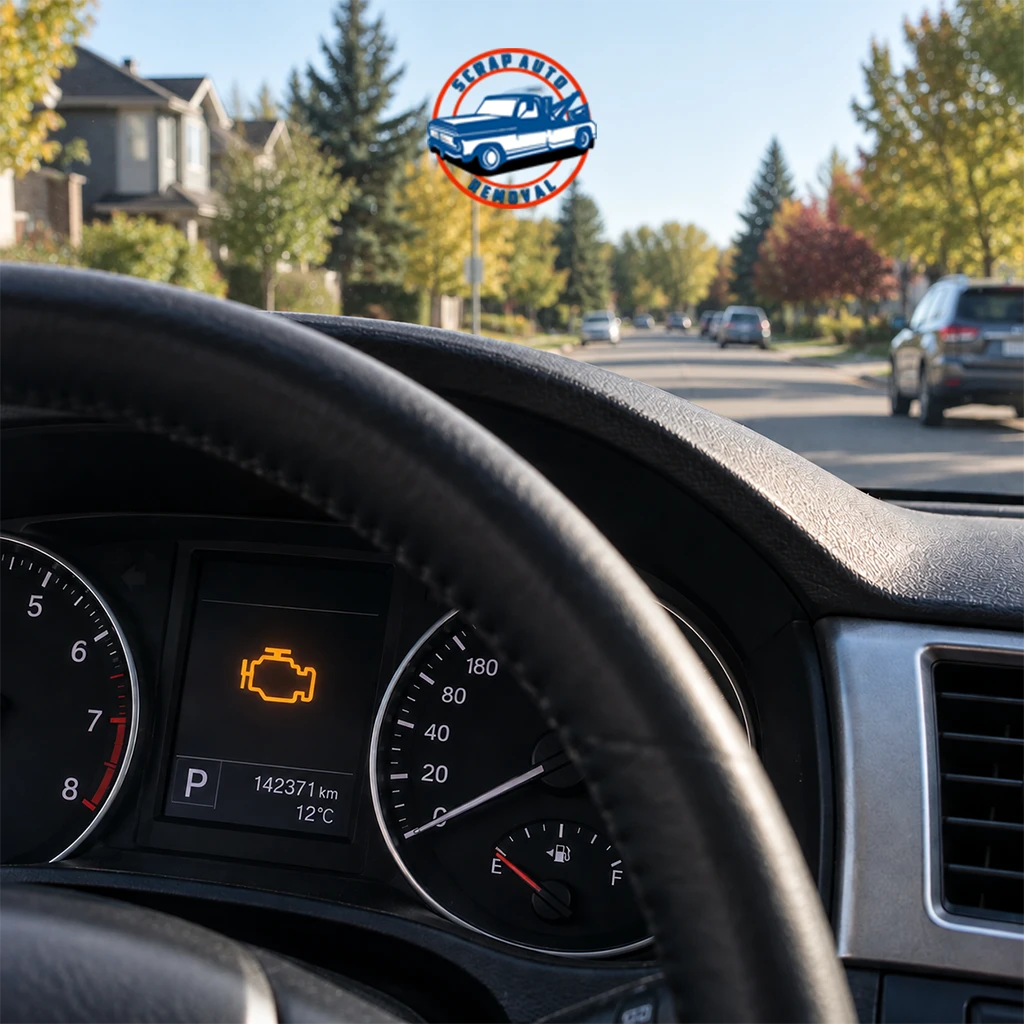
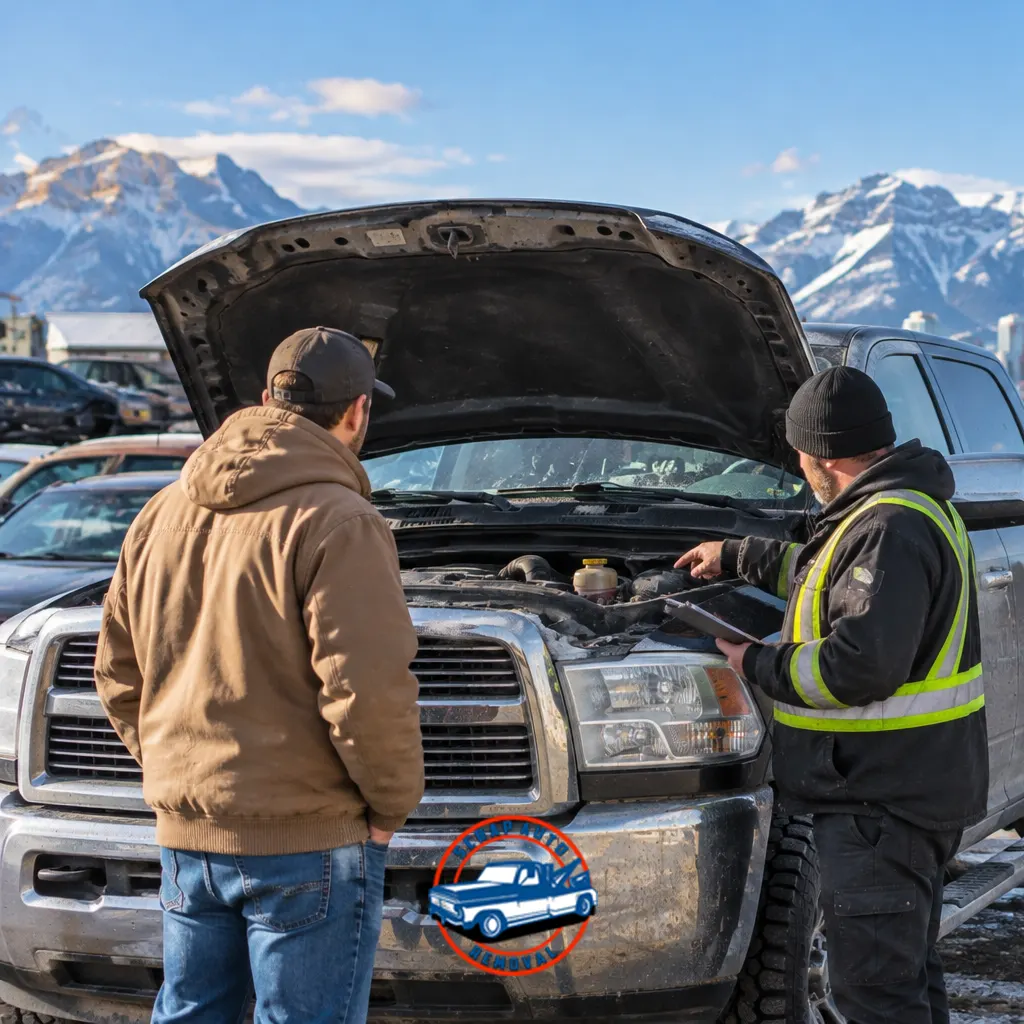

Two people can each own a ten-year-old truck and get completely different advice about where to sell it. A strategy suited to a truck in good shape doesn’t work on a non-running truck, and the reverse mistake also costs money: assuming a truck is only worth scrap value can mean turning down real money a private buyer would have paid for a truck that still runs fine. The condition tier your truck falls into is one of the biggest factors in determining which selling method makes sense. This guide walks through each tier, from running and ready to sell to written off, and what genuinely works best at each one.
Which Condition Tier Is Your Truck In?
This step is the one that changes everything else. The condition of your truck and whether it’s running or non-running is the core foundation of your decision. Here’s a quick way to place your truck.
| Condition Tier | What It Looks Like | Best Starting Point |
|---|---|---|
| Running and in Good Shape | Starts, drives, and has no major mechanical issues. | Private sale or trade-in |
| Running but Needs Work | Drives but has a genuine mechanical, electrical, or cosmetic problem. | Private sale with disclosure, or a cash buyer |
| Non-Running | Won't start or cannot be safely driven. | Cash or scrap buyer |
| Damaged or Written Off | Has accident damage, an insurance total-loss designation, or a salvage-branded title. | Cash or scrap buyer |
Running and in Good Shape
This is the easiest tier to sell from, and the one most generic advice about selling a truck is written for.
How Much Is a Truck in Good Condition Worth?
A truck in this tier is worth close to its full market potential. Brand plays a role here beyond simple popularity. J.D. Power, the global automotive research firm, named Chevrolet’s Silverado 3500 HD the top residual-value winner in its heavy-duty segment in the 2026 Canada ALG Residual Value Awards, while Toyota topped the overall mass-market brand rankings for the seventh consecutive year. Mileage backed by real maintenance records, a diesel engine that’s been used for towing, and a crew cab with four-wheel drive all push the number higher within whatever your specific model can realistically fetch.
Cab configuration and drivetrain matter on their own too: a crew cab reaches a wider pool of buyers than a regular cab, and four-wheel drive holds firmer demand than two-wheel drive across most of Alberta given the terrain and winter driving.
Where Should You Sell a Truck That Runs Well?
A private sale through Kijiji, Facebook Marketplace, or AutoTrader typically returns the most money for a truck in this shape, since you’re negotiating directly with someone who wants that exact truck rather than a dealer covering a resale markup. A dealer trade-in becomes worth considering specifically if you’re buying another vehicle from that dealer in the same transaction, since federal GST rules apply tax only to the difference between the new vehicle’s price and your trade-in value, which can offset a lower headline trade-in number.
Running but Needs Work
This tier covers a truck that’s still drivable day to day but carries a problem serious enough that a buyer would factor it into the price, or decline to make an offer at all.
How Much Is a Truck With Mechanical Problems Worth?
A mechanical problem, a failed inspection, or body damage that’s cosmetic rather than structural puts a truck in this tier, and the number drops in proportion to what it would cost to fix. Buyers mentally subtract the repair bill from whatever the truck would be worth in perfect shape, often more aggressively than the actual repair would cost, since they’re also pricing in the uncertainty of a problem they can’t fully diagnose from a listing.
Where Should You Sell a Truck That Needs Repairs?
Private sale is still possible here, but the buyer pool narrows to people specifically looking for a project or willing to do the repair themselves. Alberta sells private vehicles “as is” unless otherwise stated, which puts the burden on the buyer to inspect and ask questions, but a seller should still describe the truck’s condition accurately rather than misrepresenting or glossing over a known problem. A dealer trade-in offer on a truck like this is usually weak, since the dealer has to account for reconditioning costs before it can go back on their lot.
A cash buyer who prices based on the truck’s actual condition, not a hypothetical repaired version of it, often ends up being the faster and more realistic option. Getting a written repair estimate before you list or request a quote also gives you a real number to negotiate from, rather than working against a buyer’s worst-case guess about what’s wrong.
Non-Running
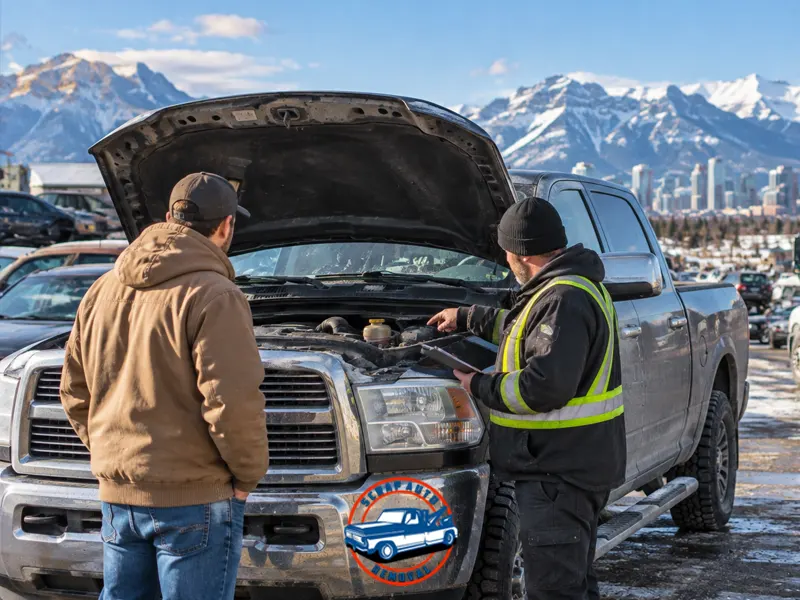
A truck lands in this tier once it can no longer be driven safely or at all, whether that’s a blown engine, a seized transmission, or damage that makes it unroadworthy.
How Much Is a Non-Running Truck Worth?
A truck that won’t start or can’t be safely driven stops competing in the private-sale and trade-in market almost entirely, and its value shifts to what’s underneath it: the engine, transmission, drivetrain, catalytic converter, and body metal. Heavier vehicles like trucks and SUVs tend to bring more than smaller cars in this tier simply because there’s more recoverable weight and more parts with resale demand. A mid-size car or wagon might scrap for $300 to $1,000, while a heavier truck, SUV, or van commonly brings $800 to $3,000 or more, depending on what’s still intact.
Where Should You Sell a Truck That Won't Start?
In our experience, non-running work trucks are the ones that most often surprise their owners, since the same towing and hauling that led to the mechanical failure also means the truck was built with heavier-duty components that still carry real parts value. A cash or scrap buyer who prices based on weight and components, rather than whether the truck starts, is built specifically for this tier. Getting an accurate offer usually means describing the truck honestly rather than downplaying what’s wrong, since a buyer working this way can still account for a seized engine or a rusted frame without needing the truck to look presentable first.
Damaged or Written Off
This tier covers trucks with real structural or accident damage, including anything an insurance company has already assessed and branded as a total loss.
How Much Is a Written-Off Truck Worth?
Accident damage or an insurance total-loss designation changes how a truck gets valued, but it doesn’t erase its value outright. Alberta has no fixed legal percentage that defines a total loss, though insurers commonly reference an industry guideline of roughly 70 to 80 percent of a vehicle’s actual cash value when deciding whether to write one off, and that threshold varies between insurers. Alberta does set a clear rule for what happens next, though: a vehicle written off by an insurance company must pass a Salvage Vehicle Inspection before it can be re-registered, while one designated non-repairable can never return to the road and can only be sold as scrap or dismantled for parts. That distinction affects who’s willing to buy it and for how much. The truck’s pre-damage value still sets the baseline for what a buyer will offer, since the parts and metal underneath the damage haven’t lost their worth just because the body or frame has.
Where Should You Sell a Salvage or Damaged Truck?
Regular private buyers and most dealers won’t touch a salvage or non-repairable truck, since financing, insurance, and registration all get more complicated once that branding is attached. A buyer who specifically handles damaged and written-off vehicles, and understands what that branding does and doesn’t allow, is the realistic option here rather than a general private listing.
What Paperwork Do You Need to Sell a Truck in Alberta?
Whatever condition your truck is in, Alberta requires a signed standard bill of sale to transfer ownership in a private sale, covering both parties’ names and addresses, the VIN, make, model, and price. Your registration certificate isn’t proof of ownership on its own, but the buyer will still need it on hand to register the truck, so keep it together with the signed bill of sale rather than setting it aside. If you’re selling to a buyer who handles the paperwork directly, they’ll typically walk you through what’s needed instead of leaving you to sort it out.
FAQs
If your truck starts, drives, and has no major mechanical or safety issues, it likely falls into the running-and-in-good-shape tier. A drivable truck with a known mechanical, electrical, or cosmetic problem belongs in the running-but-needs-work tier. If it will not start or cannot be driven safely, it is non-running. A truck with significant accident damage, an insurance total-loss designation, or a salvage brand may fall into the damaged-or-written-off tier. Its registration and vehicle history can help clarify its status.
A running truck that needs repairs will generally sell for less than a comparable truck in good condition because buyers account for repair costs and uncertainty. Its value depends on the truck's make, model, year, mileage, overall condition, and the specific problem. A private sale may still be practical if you disclose known issues honestly. A cash-for-trucks buyer is another option if you prefer to sell the vehicle as-is without arranging repairs first.
Yes. You can advertise a non-running truck privately on marketplaces such as Kijiji or Facebook Marketplace, provided you accurately describe its condition. However, the buyer will need a way to transport it, which can limit interest. A cash or scrap buyer may be a more convenient alternative because some buyers purchase non-running trucks based on their reusable parts, condition, and scrap-metal value. Confirm towing arrangements and payment terms before agreeing to the sale.
Yes. A truck with significant accident damage or a salvage brand may still have value in reusable parts, components, and scrap metal. Its value depends on the extent of the damage, the truck's remaining condition, and its vehicle brand. In Alberta, salvage and non-repairable designations have different implications for whether a vehicle can be repaired and returned to the road. An insurance total-loss decision does not automatically mean a vehicle has a non-repairable status. Confirm the truck's official status before selling it.
For a private sale in Alberta, prepare a bill of sale containing the buyer's and seller's required details, the truck's vehicle identification number (VIN), make, model, year, and sale price. Both parties should keep a signed copy. You should also have the vehicle registration certificate available, although registration alone is not proof of ownership. Check Alberta's current requirements for the transaction and make sure the buyer receives the documentation needed to register the vehicle. Additional documentation may be necessary for a salvage-branded or otherwise restricted truck.
Get a Free Quote
Not sure which tier your truck actually falls into, or whether it’s worth more running or scrapped? Scrap Auto Removal can give you a straight answer and a real number. We buy trucks in any condition across Calgary and 30+ Alberta cities, with free towing and payment on pickup. Email [email protected] or fill out the form for a free quote.
The Bottom Line
A truck’s condition, more than its brand or mileage alone, determines where it sells best. A truck in good shape usually does better with a private sale or a well-timed trade-in, a truck that needs work narrows down to buyers willing to take on that risk, and a non-running or written-off truck still has real value once you stop pricing it like a vehicle and start pricing it like the parts and metal it’s made of. Matching the tier to the right buyer is what gets you a fair number instead of a guess.
Sources
J.D. Power. 2026 Canada ALG Residual Value Awards. businesswire.com: https://www.businesswire.com/news/home/20260114046186/en/J.D.-Power-Announces-2026-Canada-ALG-Residual-Value-Awards
Canada Revenue Agency. GST/HST in special cases (trade-ins). canada.ca: https://www.canada.ca/en/revenue-agency/services/tax/businesses/topics/gst-hst-businesses/charge-collect-special-cases.html
Government of Alberta. Standard bill of sale. alberta.ca: https://www.alberta.ca/standard-bill-sale
Government of Alberta. Buying a used vehicle in Alberta. alberta.ca: https://www.alberta.ca/buying-a-used-vehicle-in-alberta
BrokerLink. Can I keep my car after the insurance write-off? brokerlink.ca: https://www.brokerlink.ca/blog/can-i-keep-my-car-after-the-insurance-write-off
- Read Also: