
A junk vehicle sitting unused loses value through a handful of specific, avoidable mistakes that have nothing to do with the vehicle’s actual condition. Taking the first quote offered without checking whether it reflects what the vehicle actually has going for it leaves real money on the table more often than people realize.
Junk vehicle disposal in Alberta involves several places where costs sneak up or value gets given away for nothing: registration that keeps running after the vehicle stops being driven, towing fees that eat into a payout, and scrap or parts value that never gets accounted for.
This guide covers the specific ways owners lose money on junk vehicle disposal, and what to actually check before finalizing a deal.
Get a Straightforward Quote on Your Junk Vehicle
Scrap Auto Removal looks at what a junk vehicle actually has going for it, including usable parts and components, rather than pricing every vehicle the same way. Email [email protected] with your vehicle’s details, and you’ll get a quote that accounts for what your vehicle is actually worth, with towing included.
What Actually Causes Losses on Junk Vehicle Disposal?
The biggest losses come from paperwork left unfinished and value left unaccounted for, not from the vehicle itself being worth less than expected.
Registration that keeps running after a vehicle is gone, towing costs that get deducted from a payout instead of included in it, and scrap or usable parts value that never gets factored into an offer are the three most common places money disappears. None of these require the vehicle to be in better condition to avoid. They just require checking the right things before the vehicle actually leaves.
| Where the Loss Happens | What It Costs You | How to Avoid It |
|---|---|---|
| Registration left active | A missed partial refund on unused time | Cancel promptly and request the refund |
| Towing not included | A meaningful amount deducted from the payout | Confirm towing is included before agreeing to a price |
| Parts priced as scrap only | The gap between scrap weight and real component value | Ask for a valuation that accounts for usable parts |
| Only one quote obtained | No way to know if the number is fair | Get a second quote before finalizing anything |
| Incomplete paperwork | Ongoing liability for a vehicle no longer in your possession | Confirm a signed bill of sale is completed properly |
| An unresolved lien | A sale that can unravel or a buyer who won't take the vehicle | Confirm the vehicle is lien-free, or that the lien is addressed, before disposal |
Is Letting Registration and Insurance Run Costing You Money?
A vehicle that’s no longer being used may still have unused registration time that you can recover by cancelling the registration, and skipping this step means leaving that money unclaimed.
Alberta allows you to cancel a vehicle’s registration directly at a registry agent, and depending on how much time is left on it, you may be eligible for a partial refund based on that remaining time. This involves a registry agent service fee, which varies by agent, and Alberta’s current guidance confirms a separate $10 plus GST cancellation fee gets deducted from the refund itself, which arrives by cheque over the following several weeks rather than immediately. Skipping this step because the vehicle already feels done and dealt with means missing a refund you were otherwise entitled to claim. Cancelling registration once the vehicle is confirmed for disposal, and cancelling insurance once the sale is actually finalized and the vehicle has left your possession, closes this gap.
Are Towing Costs Cutting Into Your Payout?
Towing is one of the more direct ways a junk vehicle payout shrinks, and it’s also one of the easiest to check in advance.
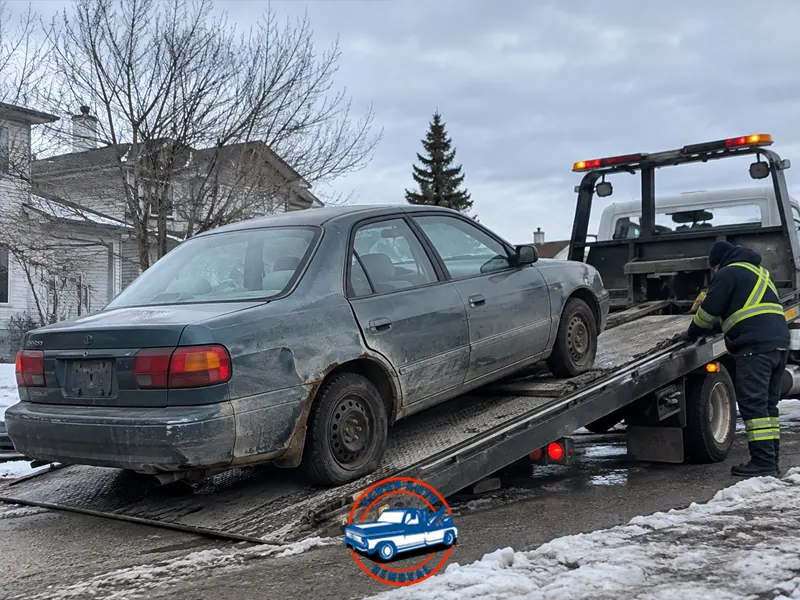
A non-drivable vehicle needs to be moved somehow, and if that cost isn’t included in the offer you’re comparing, it gets deducted from your payout instead, sometimes by a meaningful amount. Confirming upfront whether towing is included in a quoted price, rather than assuming it is, avoids the unpleasant surprise of a lower final number than what was originally discussed. In our experience, most sellers never think to ask whether towing is included until the final number comes in lower than expected, at which point there’s a lot less room to negotiate. This is worth asking directly rather than assuming either way, since practices vary between buyers.
Are You Underselling Your Vehicle's Parts and Scrap Value?
Treating every junk vehicle the same way, as scrap metal and nothing more, is one of the most common ways owners give away value that a buyer would otherwise pay for.
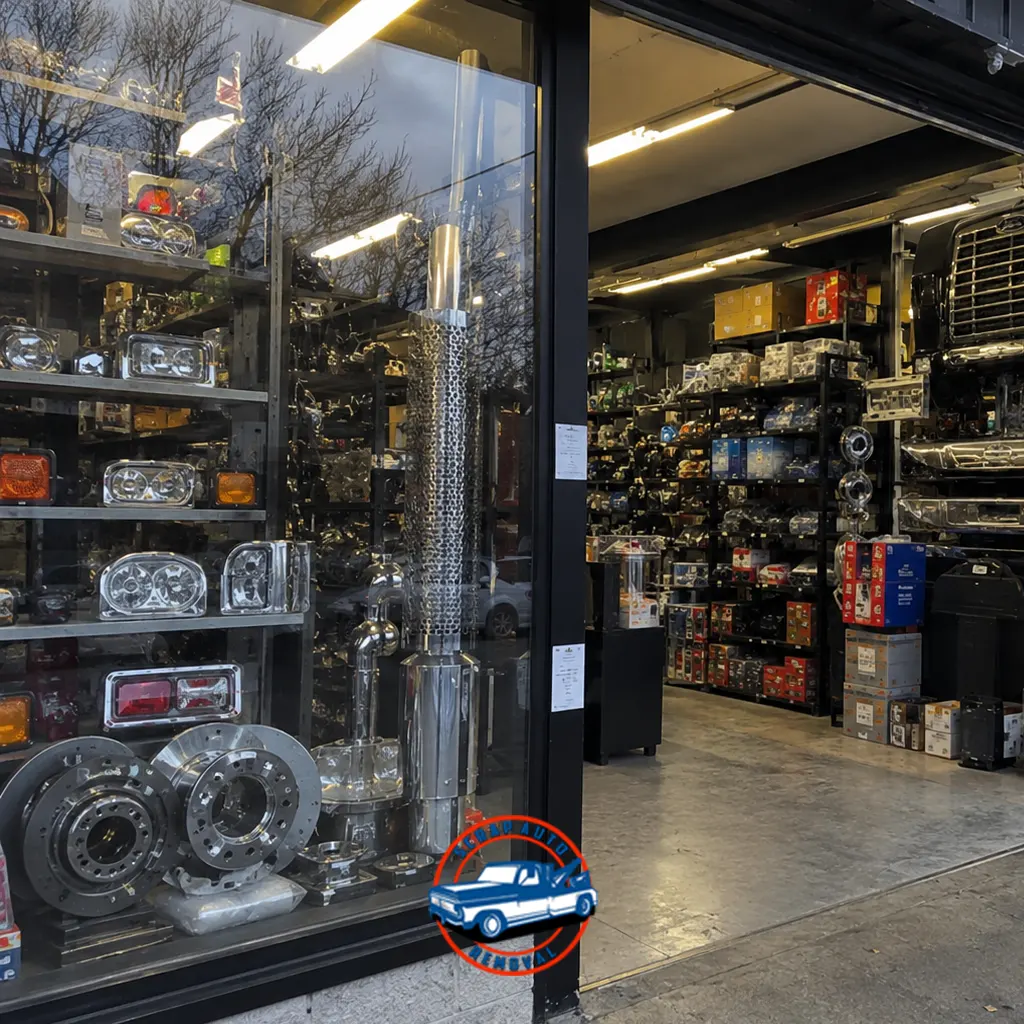
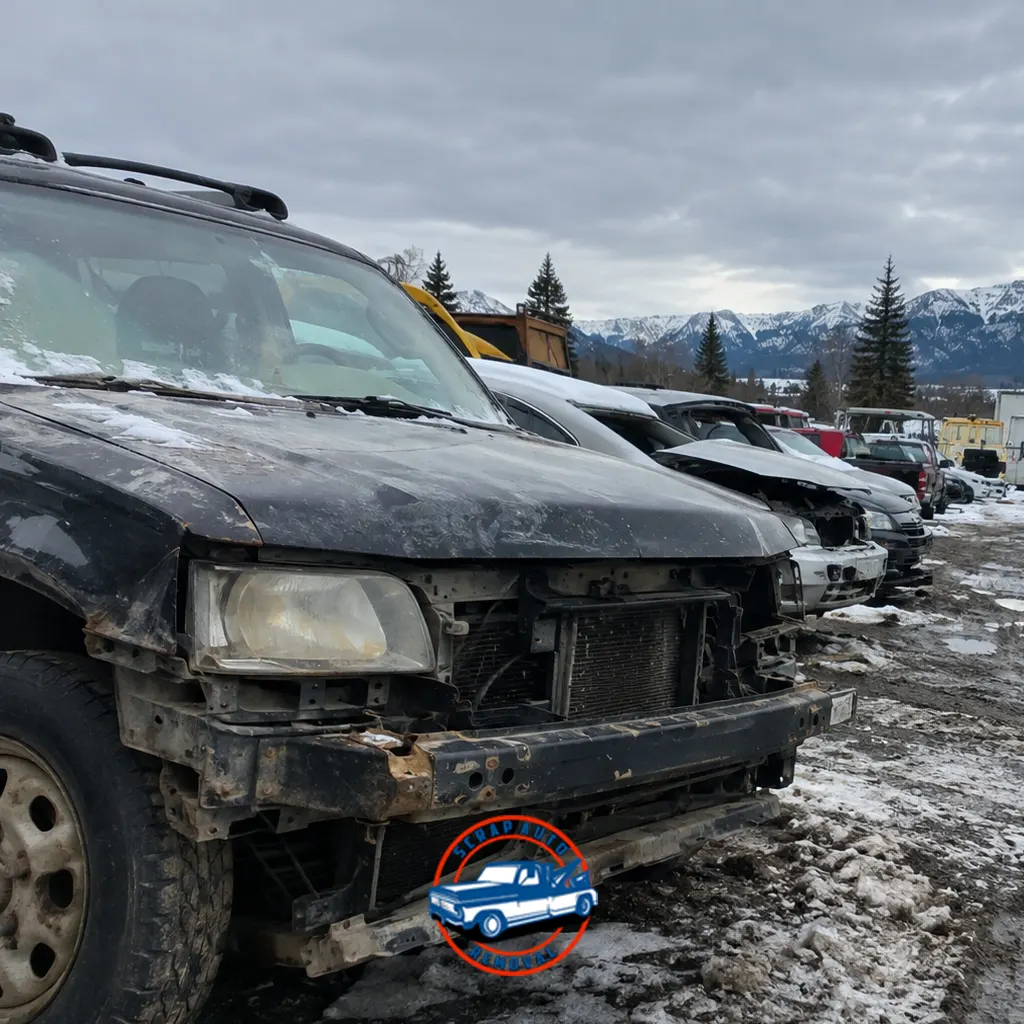
A vehicle that no longer runs or isn’t worth repairing can still have components worth real money to the right buyer, and none of them require the vehicle to be drivable to matter.
- A working transmission or engine, even if a different fault caused the vehicle to be scrapped in the first place.
- A recently replaced battery, particularly one still well within its typical service life.
- Undamaged body panels, useful to someone repairing a similar model rather than replacing an entire vehicle.
- A catalytic converter, which carries real recovery value on its own and is one of the more commonly overlooked components.
- Wheels and tires in good condition, especially if they’re newer than the rest of the vehicle.
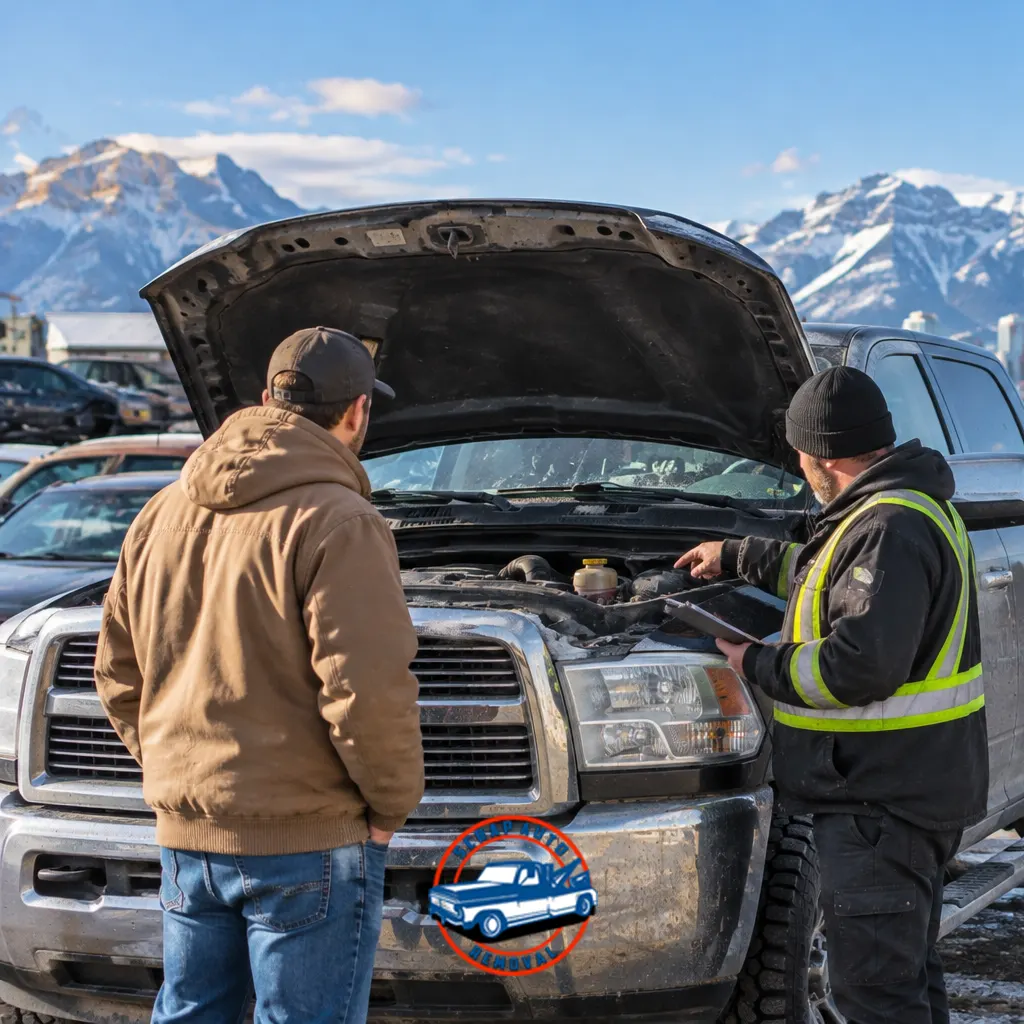
What all of this requires is a buyer actually accounting for these components rather than pricing the vehicle purely on its scrap metal weight. Getting a valuation that considers the vehicle’s actual components, rather than treating it as an undifferentiated block of metal, is usually where the biggest gap between a low offer and a fair one shows up.
- Read Also:
Should You Accept the First Quote You Get?
A single quote, especially one given quickly and without much detail about the vehicle, isn’t a reliable way to know whether the number reflects what the vehicle is actually worth.
Different buyers account for parts, scrap weight, and towing costs differently, which means two quotes for the same vehicle can vary more than owners expect. Getting a second opinion before finalizing anything costs nothing but a bit of time, and it gives you a real point of comparison rather than taking a single number on faith. A buyer who explains what’s actually shaping their number, rather than just stating a figure, is generally worth more trust than one who won’t.
Are You Skipping Proof of Ownership Before Disposal?
A junk vehicle still needs to change ownership properly, and skipping this step creates problems that show up later rather than immediately.
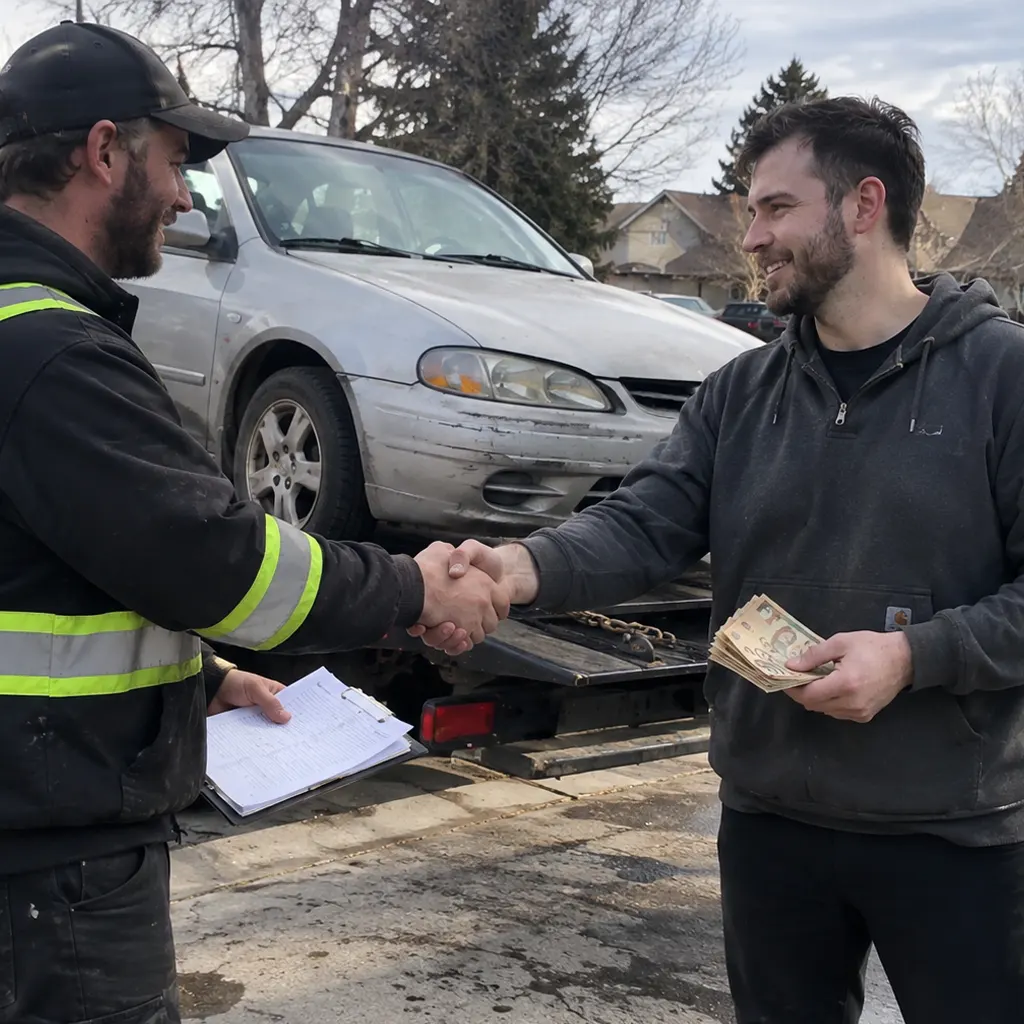
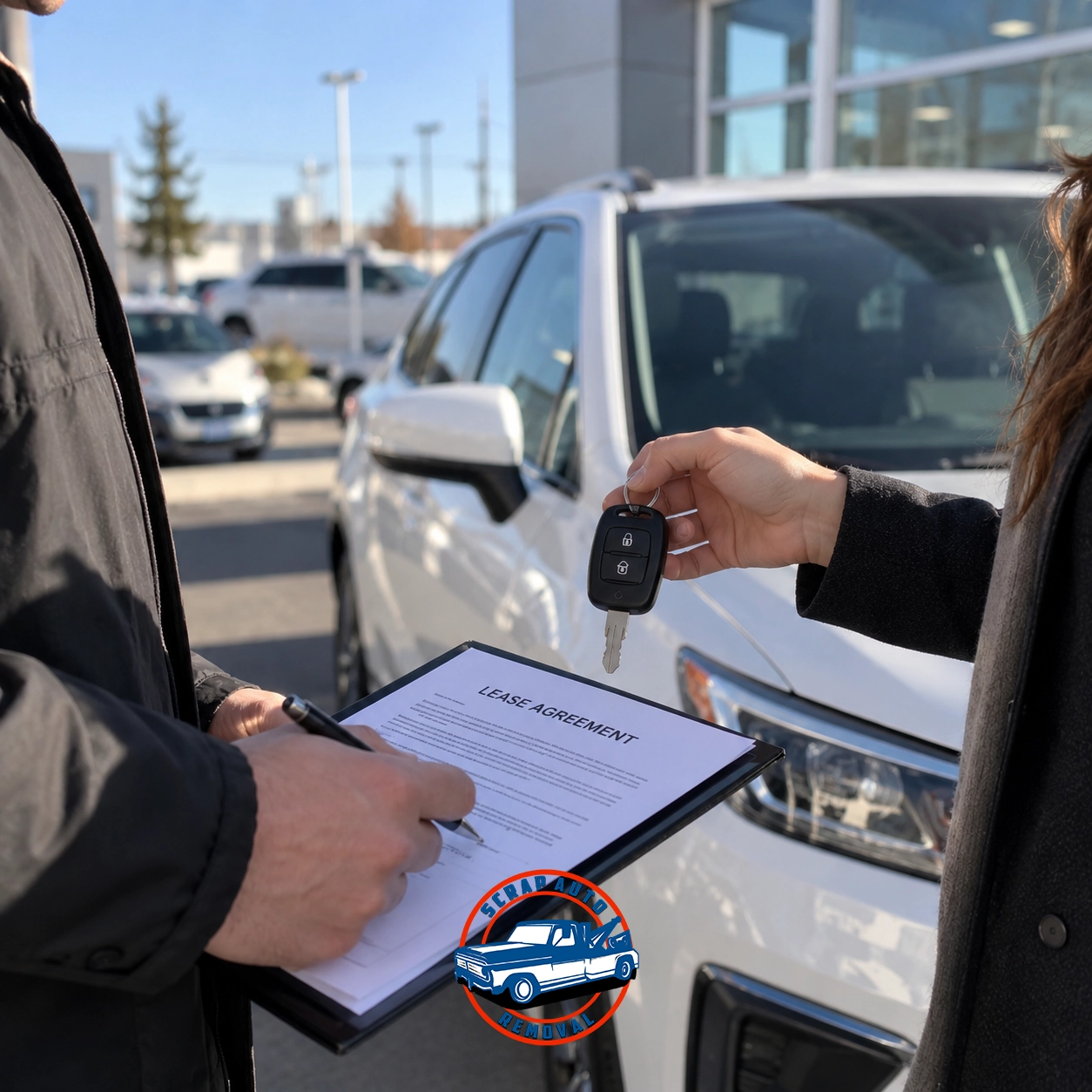
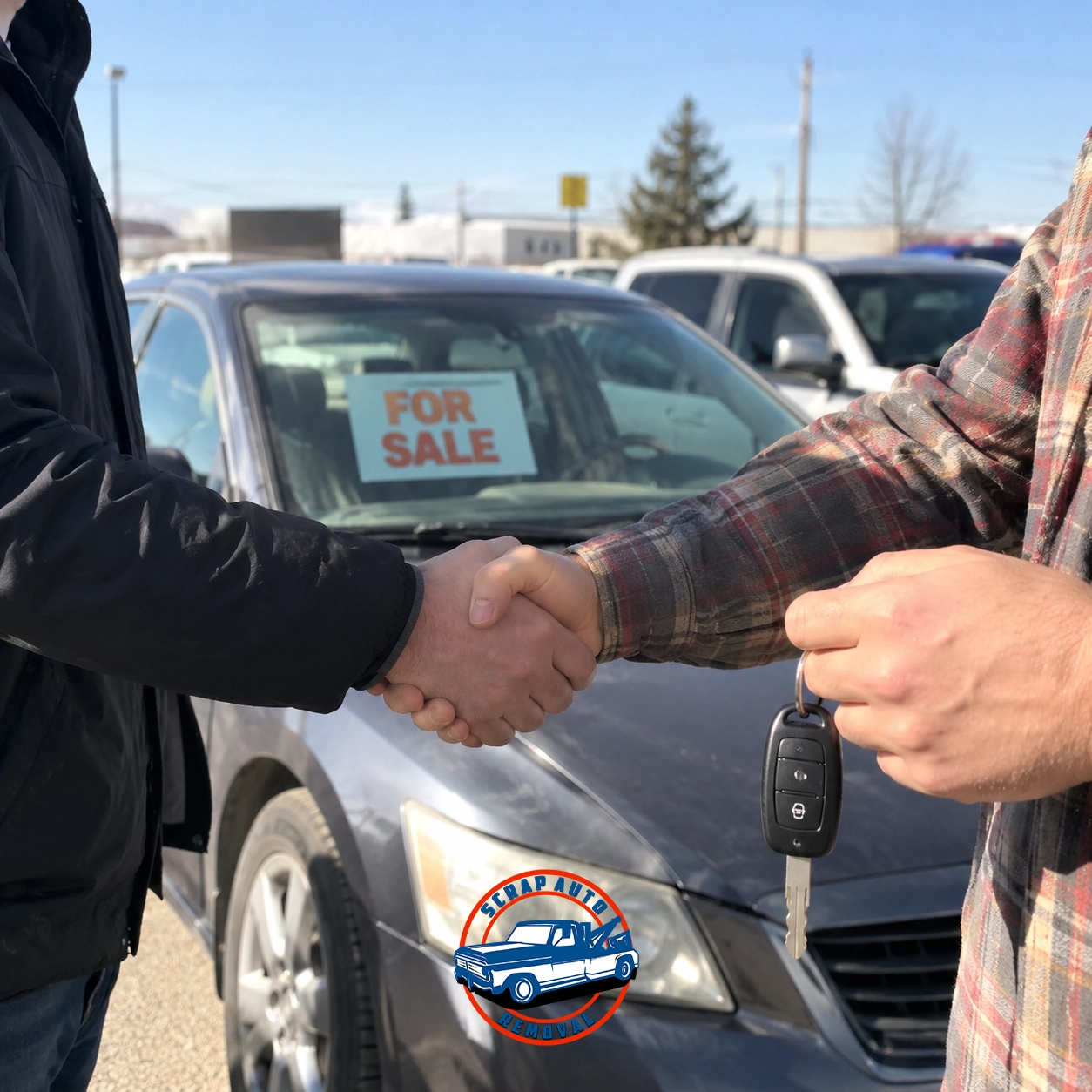
A signed bill of sale is the standard way ownership transfers in Alberta, and having this in place gives you documentation of the transaction if questions arise after the vehicle leaves your possession, whether that’s a parking ticket, a towing charge, or something more serious tied to a vehicle that technically still shows as yours. Registration and insurance still need to be dealt with separately, even when the vehicle is headed to a scrap yard rather than a private buyer. An unresolved lien on the vehicle is worth checking too, since a registered security interest that hasn’t been addressed can complicate or unwind a disposal after the fact. A few basics are worth confirming before the vehicle actually leaves:
- Both parties’ full names and signatures appear on the bill of sale, not just a verbal agreement.
- The vehicle’s VIN and description match what’s actually being disposed of.
- You keep your own copy of the signed document rather than only handing over the original.
- Your licence plates come off the vehicle, since plates stay with the seller in Alberta rather than transferring with it.
Confirming that a buyer completes this properly, rather than assuming a handshake and a payment cover it, is a small step that avoids a real headache down the line.
Choosing a Disposal Method That Handles Fluids and Materials Properly
Cost isn’t the only thing at stake with junk vehicle disposal. How the vehicle is actually processed afterward matters too, and it’s worth a brief mention alongside the financial side.
A vehicle contains fluids, a battery, and other materials that shouldn’t just end up dumped or left to leak. Motor oil, coolant, and other fluids need to be recovered and processed separately rather than drained into the environment, and batteries need proper recycling rather than disposal as ordinary waste. A buyer or facility that handles these properly, recovering fluids and recycling components rather than treating the whole vehicle as undifferentiated scrap, is doing right by more than just your payout. This isn’t usually where the biggest financial losses happen, but it’s worth confirming as part of choosing who you actually deal with, rather than assuming every disposal option handles this the same way.
Frequently Asked Questions
Should I get more than one quote for a junk vehicle?
Yes. Different buyers account for parts, scrap weight, and towing costs differently, so a single quote isn't a reliable way to know if the number reflects what the vehicle is actually worth. A second opinion costs nothing but a little time.
How can I avoid losing money on junk vehicle disposal in Alberta?
Cancel registration and insurance promptly once the vehicle is no longer driven, confirm whether towing is included in any quote before agreeing to it, and get a valuation that accounts for usable parts and components rather than pricing the vehicle on scrap weight alone.
Can I get a refund for unused vehicle registration in Alberta?
Often, yes, depending on your specific situation and remaining time. Alberta allows registration cancellation with a possible partial refund depending on how much time remains on it, typically processed by cheque over the following several weeks after the applicable fees are deducted.
Does towing cost affect my junk vehicle payout?
Yes, if it isn't included in the quoted price you're comparing against others. Confirming upfront whether towing is part of an offer, rather than assuming either way, avoids a lower final payout than expected once the vehicle is actually picked up.
Is a junk vehicle worth more than scrap metal price?
Often, yes, by a meaningful margin in many cases. Usable components like a working transmission, recently replaced parts, or a catalytic converter can add real value beyond what scrap metal weight alone would suggest, depending on the vehicle's specific condition and history.
Do I need a bill of sale to dispose of a junk vehicle in Alberta?
A signed bill of sale is a useful record of the transaction and helps document the transfer of the vehicle. Keep a copy after the sale in case questions arise later, such as a parking ticket or an unpaid towing charge. Confirm the applicable Alberta requirements for your specific transaction.
Should I cancel insurance before or after selling a junk vehicle?
Generally, cancel insurance once the sale is finalized and the vehicle has left your possession. Cancelling too early can leave you without coverage if something happens before pickup. Confirm the appropriate timing with your insurer based on your specific circumstances.
What information does a junk vehicle buyer need for an accurate quote?
Provide the vehicle's year, make, model, overall condition, and details about any recently replaced or still-functional components worth mentioning. Also disclose whether the vehicle runs, whether major parts are missing, and whether towing is required. Accurate information helps the buyer provide a quote that better reflects the vehicle's condition and potential value.
Get a Straightforward Quote on Your Junk Vehicle
Scrap Auto Removal looks at what a junk vehicle actually has going for it, including usable parts and components, rather than pricing every vehicle the same way. Email [email protected] with your vehicle’s details, and you’ll get a quote that accounts for what your vehicle is actually worth, with towing included.
Final Thoughts
Losing money on junk vehicle disposal usually isn’t about the vehicle itself. It’s about registration left running, towing costs that weren’t accounted for, parts and scrap value that never got factored into the offer, and paperwork that didn’t get finished properly.
Checking each of these before finalizing a disposal, rather than assuming the first number offered already reflects everything the vehicle is worth, is what separates a fair outcome from an avoidable loss. None of these steps take much time, and together they’re usually the difference between a disappointing payout and a truly fair one.
Sources
- Government of Alberta. Cancel a vehicle registration. alberta.ca: https://www.alberta.ca/cancel-vehicle-registration
- Government of Alberta. Standard bill of sale. alberta.ca: https://www.alberta.ca/standard-bill-sale
- Government of Alberta. Personal property liens. alberta.ca: https://www.alberta.ca/personal-property-liens
- Alberta Motor Association. Cancel vehicle registration in Alberta. ama.ab.ca: https://ama.ab.ca/registries/auto/vehicle-registration/cancel