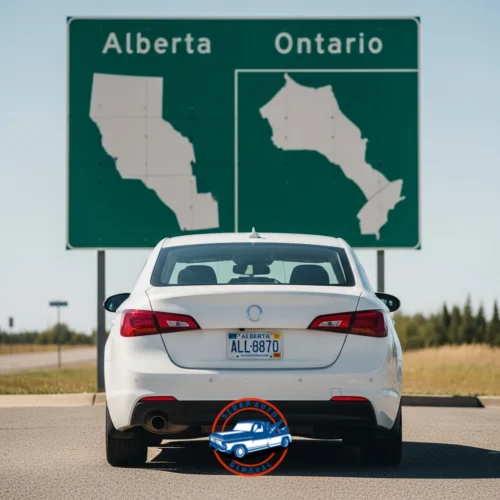

Selling a car is rarely simple and doing it across provinces makes it even harder. Extra paperwork, different rules, and unexpected delays can turn a basic sale into a real hassle. If you’re trying to Sell Alberta Registered Car in Ontario, the process can quickly become confusing without the right guidance.
That’s why this topic matters. One wrong step can cost you time and money.
This article shows you exactly how to Sell Alberta Registered Car in Ontario smoothly, legally, and without unnecessary stress.
Why Sell Alberta Registered car in Ontario Feels Complicated?
When you’re dealing with two provinces, two sets of rules, and two different registration systems, things naturally get tangled. While Alberta and Ontario are both part of the same country, the automotive and registration rules don’t always line up neatly. So yes, you can sell your Alberta-registered vehicle in Ontario, but the process comes with a few hoops to jump through. The good news? Once you understand the steps, it’s a lot less intimidating.What You Need as the Alberta Seller
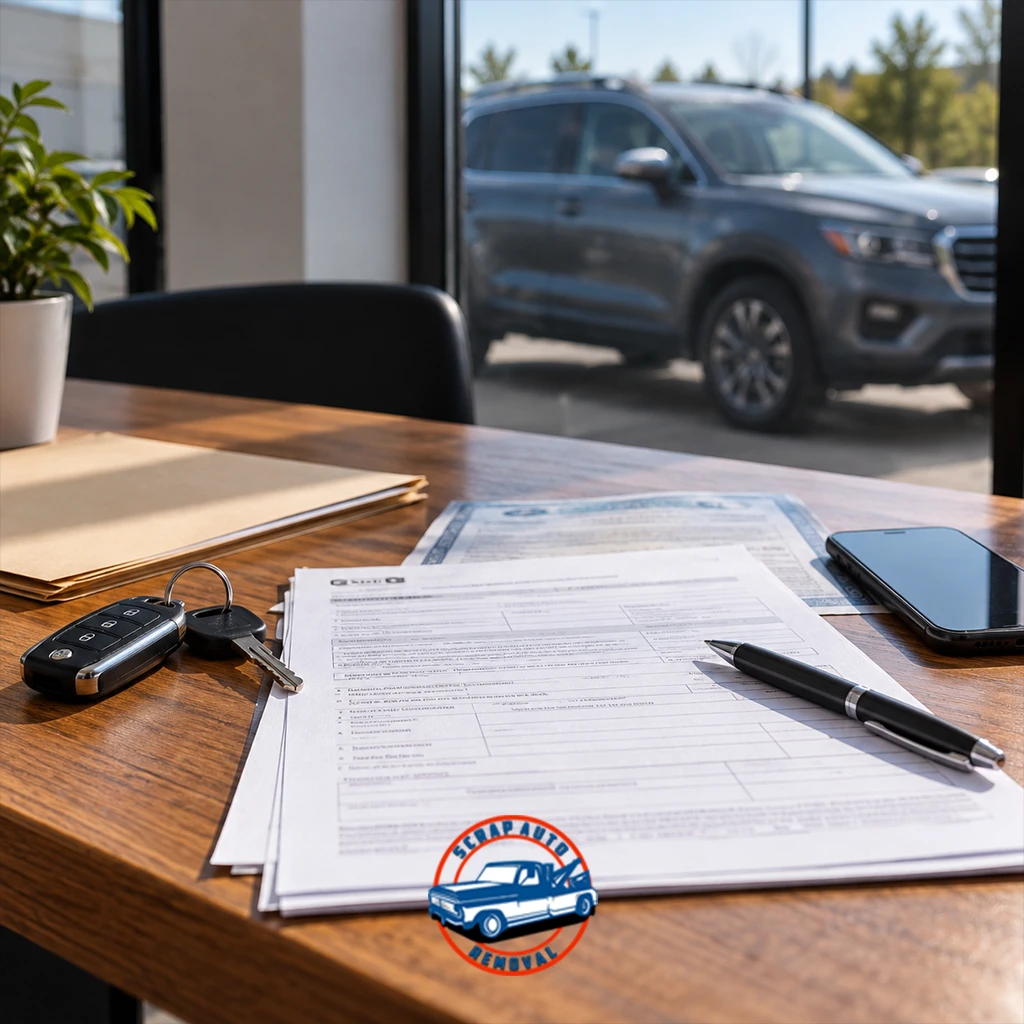
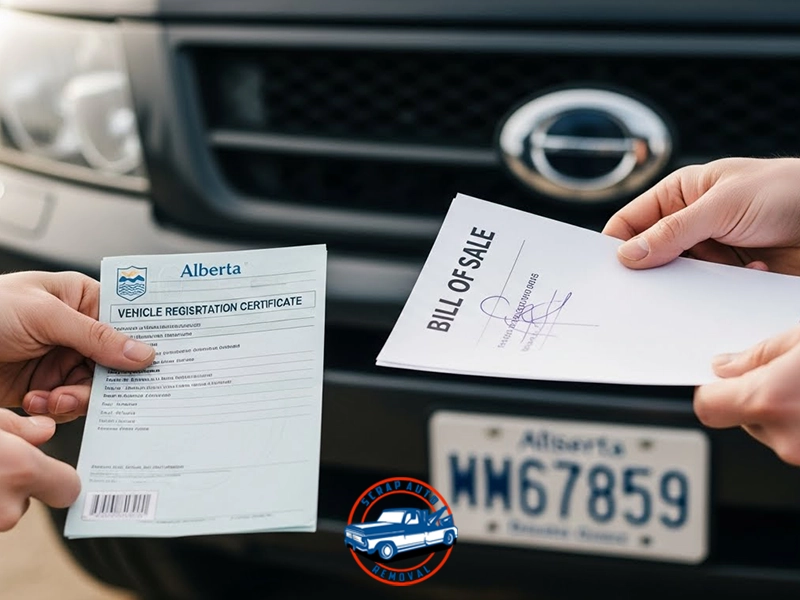 If your car is currently registered in Alberta, you’ll need to gather a few essential documents before handing it over to an Ontario buyer (or scrap service). These aren’t complicated items, but missing even one can delay the sale.
- Alberta Registration Certificate: This is your official proof of ownership. It shows that the vehicle belongs to you and gives the buyer confidence that the transaction is legitimate.
- A Complete Bill of Sale: Ontario may not require Alberta sellers to produce a Used Vehicle Information Package (UVIP), but a proper bill of sale is non-negotiable. You’ll want to include: – Buyer’s legal name – Seller’s legal name – VIN – Sale date – Purchase price – Signatures from both parties
- Service or Accident History: Buyers love transparency. If you have a Carfax or any repair records, they can smooth out negotiations.
What the Ontario Buyer Must Do After the Sale
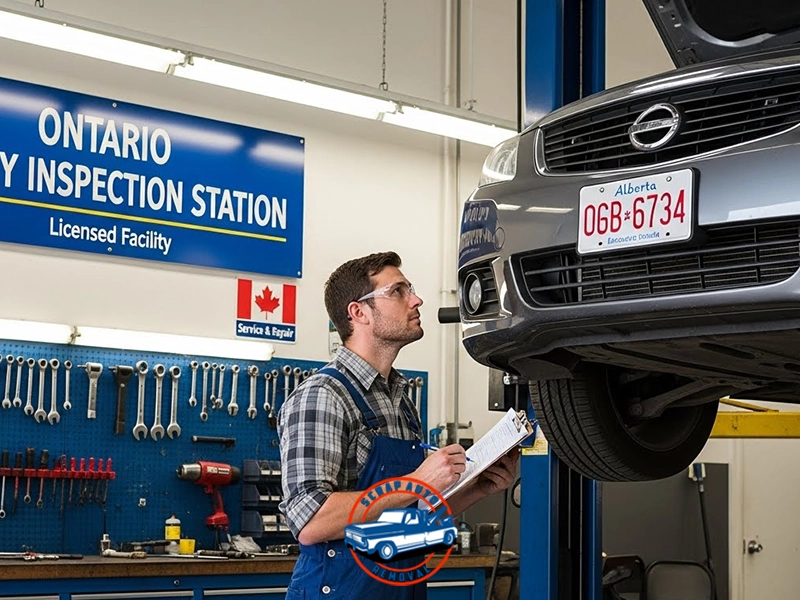 This is where the out-of-province wrinkle comes in. Ontario has a stricter inspection and registration system than Alberta. Once your Alberta car crosses into Ontario, the buyer will have to complete several steps before it can be fully registered.
- Out-of-Province Safety Inspection: Ontario requires a Safety Standards Certificate from a licensed inspection station. This certificate verifies that the vehicle meets provincial safety guidelines. Without it, the car can’t be plated or driven.
- Purchase an Ontario UVIP: Unlike Alberta, Ontario requires buyers to purchase a UVIP before registration. It includes the car’s Ontario-specific history, but because it’s coming from another province, not all data may be available. Still, it’s a mandatory part of the process.
- Pay Retail Sales Tax: Ontario collects RST at the time of registration. The amount is based on the purchase price or the vehicle’s wholesale value. That’s important for anyone thinking they can outsmart the taxman with a $50 bill of sale.
- Register the Vehicle and Get New Plates: Once the safety certificate and UVIP are in hand, the buyer can finally complete the registration process and pick up their Ontario plates. This marks the official transfer from Alberta ownership to Ontario operation.
What You Need to Do with Your Plates
In Alberta, license plates belong to the person, not the vehicle. That means you must remove your Alberta plates before the car goes to its new home. If the buyer wants to drive the vehicle in Ontario immediately, they’ll need a temporary permit from Service Ontario. Otherwise, towing is the simplest option.Understanding How to Sell a Car in Alberta
Before diving into cross-province requirements, it helps to understand how to sell a car in Alberta the right way. In Alberta, the process is generally simpler because there’s no mandatory safety inspection at the point of sale, and ownership transfer is more straightforward.
Knowing how to sell a car in Alberta properly with a clear bill of sale, valid registration, and plate removal puts you in a much stronger position when selling the same vehicle outside the province. Many of the delays people face in Ontario actually start with small mistakes made back in Alberta.
Final Thoughts
From our experience, once you understand the inspection rules, ownership transfer, and provincial differences, the process becomes straightforward but it’s still time-consuming. We’ve seen many owners start with good intentions, only to realize that inspections, repairs, and delays cost more than the car is worth.
That’s where the Scrap Auto Removal option makes real sense. We’ve helped drivers who moved provinces, inherited vehicles, or were stuck with non-running cars avoid unnecessary stress by choosing a fast, legal cash solution instead of months of back-and-forth paperwork.