
Anyone who has ever owned an aging vehicle knows that there comes a point when the question is no longer how to fix it, but what to do with it. Deciding whether to scrap or donate an old car can feel surprisingly complicated. Each choice has its own rules, benefits and small details that give you a headache.
If you’re unsure which direction to take, this breakdown will help you sort through the options and pick the route that makes the most sense.
What Scrapping Your Car Means
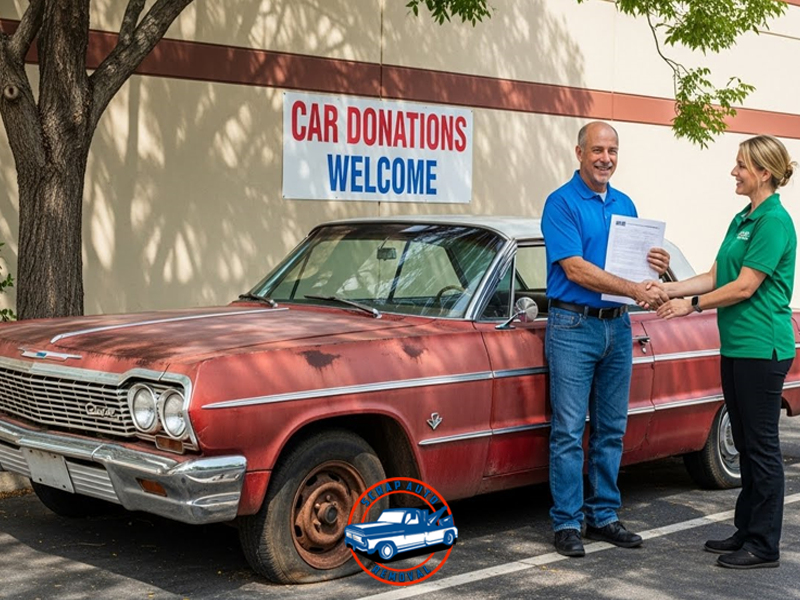
Scrapping a vehicle begins with making sure you’re ready to retire it. Once you decide to move forward, the steps are straightforward. You start by gathering your registration or proof of ownership so the removal service can verify the vehicle belongs to you.
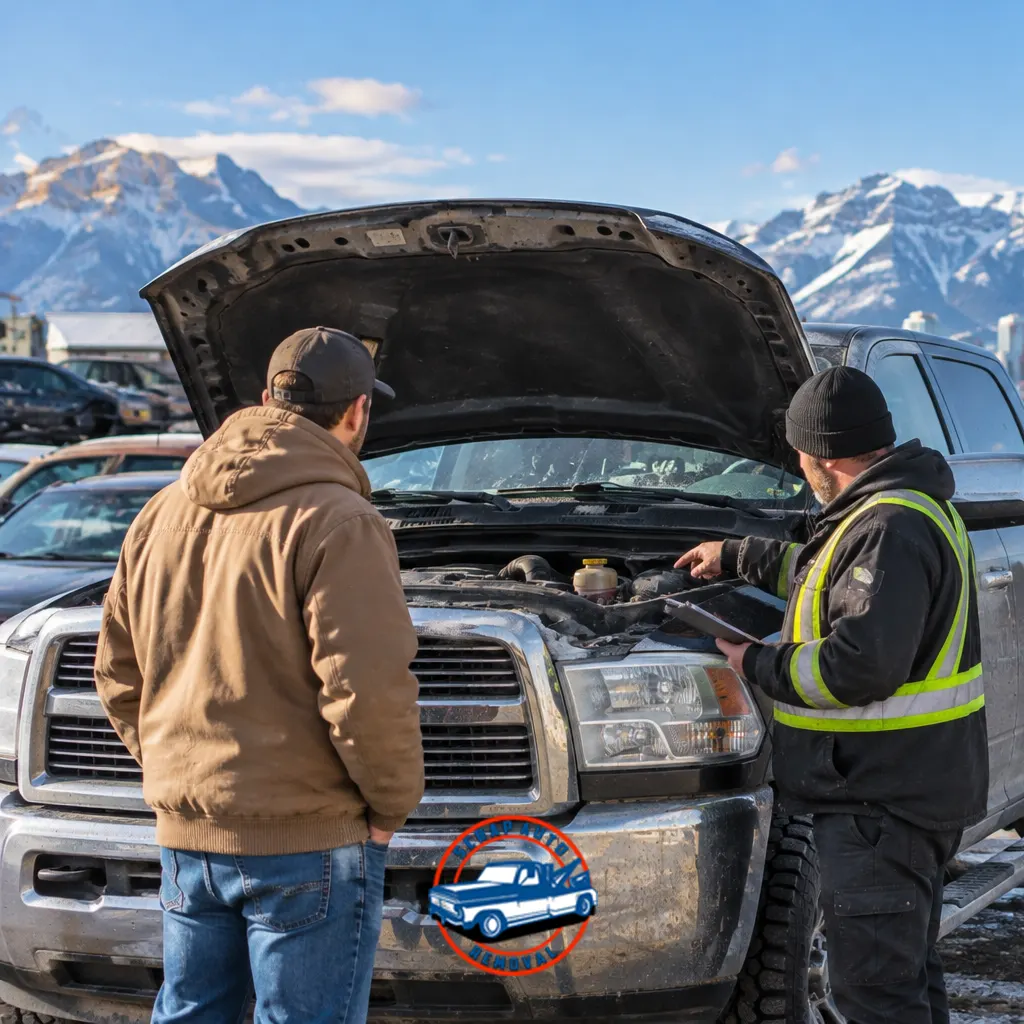
Next, you provide some basic details about the car, like the year, make, model and overall condition. Even if the car doesn’t start, the information helps with determining its recycling value. After that, a pickup time is arranged. The towing is free, and a driver will come and remove the vehicle directly from your property.
Once the car is taken to a licensed recycling facility, fluids are safely drained, usable parts are recovered and the remaining metal is processed for reuse. Payment is usually provided at the time of pickup, which makes scrapping one of the quickest ways to finalize the decision to scrap or donate an old car.
How You Benefit From Scrapping Your Car
Without a doubt, you’ll benefit if you choose to scrap your car. The advantages include, but aren’t limited to:
- Immediate payment for a car that may no longer be drivable.
- Fast, free towing services.
- No negotiating with private buyers who offer low amounts or waste your time.
- Eco conscious recycling that reduces landfill waste.
What Happens When You Donate a Vehicle?
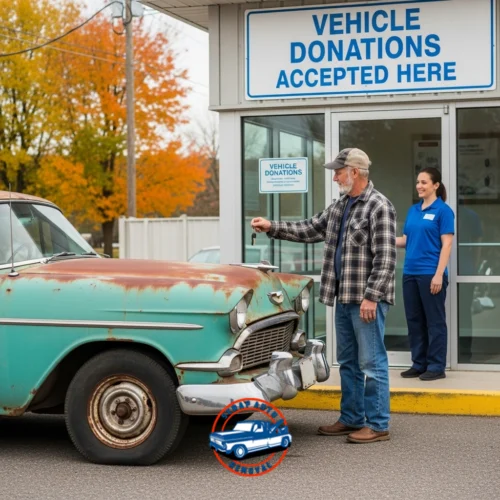
If you prefer your vehicle to support a charitable purpose, donating is another option. The process begins by choosing an organization that accepts vehicle donations in your area. After selecting one, you provide the vehicle details and arrange a pickup time. Most charities offer free towing, although their schedule varies depending on demand.
Before the car is picked up, you’ll need your registration available so the organization can confirm ownership. After the vehicle is collected, the charity will decide whether to repair and sell it, auction it, or recycle it. When the process is complete, you’ll receive a tax receipt for the amount the organization earned from the vehicle. This receipt can be helpful when tax season comes and is often a deciding factor for people trying to choose whether to scrap or donate an old car.
Read Also: Selling A Car with Unpaid Tolls
Why Donating Your Car is Good
Donating is very rewarding, and several benefits come with it:
- Provides funding for charitable programs and community initiatives.
- Free removal even if the vehicle doesn’t run.
- A possible tax deduction based on the value the charity receives.
- Less effort compared to selling a low value or damaged car.
Conclusion
Deciding whether to scrap or donate an old car ultimately depends on what matters most to you. Scrapping offers fast payment, easy removal and responsible recycling, while donating provides an opportunity to support a charity while avoiding the challenges of a private sale. We believe there’s truly no wrong decision in this case, just choose your priorities.
And if you choose to scrap your vehicle, Scrap Auto Removal offers a simple and reliable process that helps you move forward without stress.