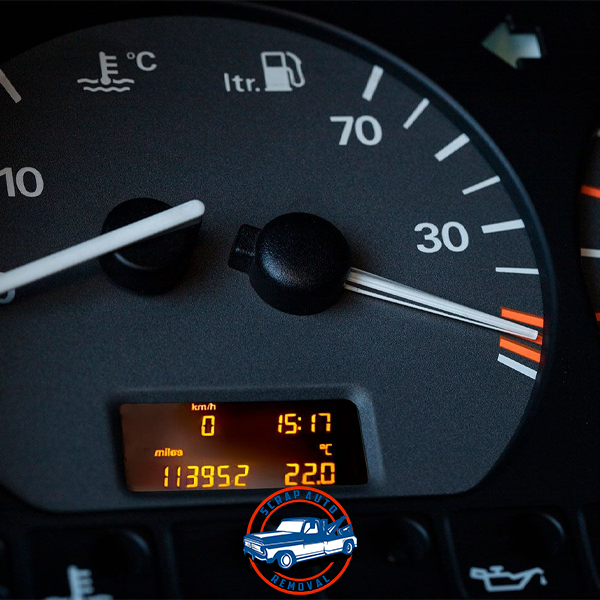

Ever found yourself staring at your car’s odometer, a growing number staring back at you, and thinking, “Is it time? Is it finally time to sell?” It’s a question many car owners ponder: what mileage should I sell my car to get the best value, or at least avoid sinking money into costly repairs? It’s not just about the number itself; it’s about what that number implies for your car’s future and its appeal to potential buyers.
Deciding when to sell your car can feel like a delicate balancing act. You want to maximize your investment, but you also want to avoid being stuck with a vehicle that’s constantly breaking down. The mileage on your odometer is a huge factor in this equation, influencing everything from market value to perceived reliability.
So, let’s explore the various mileage milestones and other crucial considerations to help you determine what mileage should I sell my car for the most favorable outcome, right here in Calgary and beyond.
The Psychology of Mileage: Why the Number Matters
For a lot of buyers, mileage is more than just a figure; it’s a proxy for wear and tear, and a predictor of future maintenance costs. This isn’t always fair or entirely accurate, especially with modern vehicles built to last longer than ever before. However, the perception remains strong.
Low Mileage (Under 60,000 km / 37,000 miles)
Cars in this range are often seen as “like new” or “barely used.” They typically still have a significant portion of their original manufacturer’s warranty, which is a massive selling point. Depreciation is steepest in the first few years, so while these cars fetch a high price, you might lose a lot compared to what you paid.
Mid-Range Mileage (60,000 – 100,000 km / 37,000 – 62,000 miles)
This is often considered a “sweet spot” for selling. The initial depreciation has slowed, but the car is still perceived as having plenty of life left. Major scheduled maintenance (like timing belt replacements) might be due around this point, which buyers will factor in, but overall, it’s a desirable range.
High Mileage (Over 100,000 km / 62,000 miles)
This is where the psychological barrier often kicks in for many private buyers. While many modern cars can easily last well over 200,000 km (124,000 miles) with proper maintenance, a six-figure odometer reading makes some buyers hesitant. They anticipate more frequent and costly repairs.
Key Mileage Milestones and Associated Costs
Cars generally have predictable maintenance schedules that align with certain mileage intervals. Being aware of these can help you decide whether to sell before you incur these costs or after they’ve been addressed.
Around 60,000 km (37,000 miles)
Many manufacturers recommend significant service at this point. This can include spark plug replacement, transmission fluid flush, brake inspections/replacements, and tire rotation/replacement. While not always extremely expensive, these add up. Some powertrain warranties might also expire around this range.
Around 100,000 km (62,000 miles)
This is a big one. For many vehicles, critical components like timing belts (if applicable, typically a $500 – $1,000+ job), water pumps, and major fluid changes are due. Suspension components might start showing wear. This is a point where a car’s value often takes another noticeable dip because buyers anticipate these larger costs.
Beyond 150,000 km (93,000 miles) and 200,000 km (124,000 miles)
At these higher mileages, expect more frequent wear-and-tear repairs. Parts like alternators, starters, fuel pumps, wheel bearings, and universal joints might start failing. Suspension components will likely need attention. While some cars are robust enough to go far beyond this, the risk of significant, unpredictable repairs increases dramatically.
Read Also: How to Sell a High Mileage Car: Tips to Get the Best Value
Factors Beyond Just the Number: Condition Matters More
While mileage is a huge factor, it’s certainly not the only one. In many cases, a well-maintained car with higher mileage can be a better buy – and fetch a better price – than a low-mileage car that’s been neglected.
Maintenance History
This is perhaps the single most important factor that can mitigate the impact of high mileage. A car with a complete, verifiable service history (receipts for oil changes, tire rotations, brake jobs, etc.) tells a story of consistent care. It reassures buyers that even if the odometer is high, the car has been looked after.
Overall Condition (Interior and Exterior)
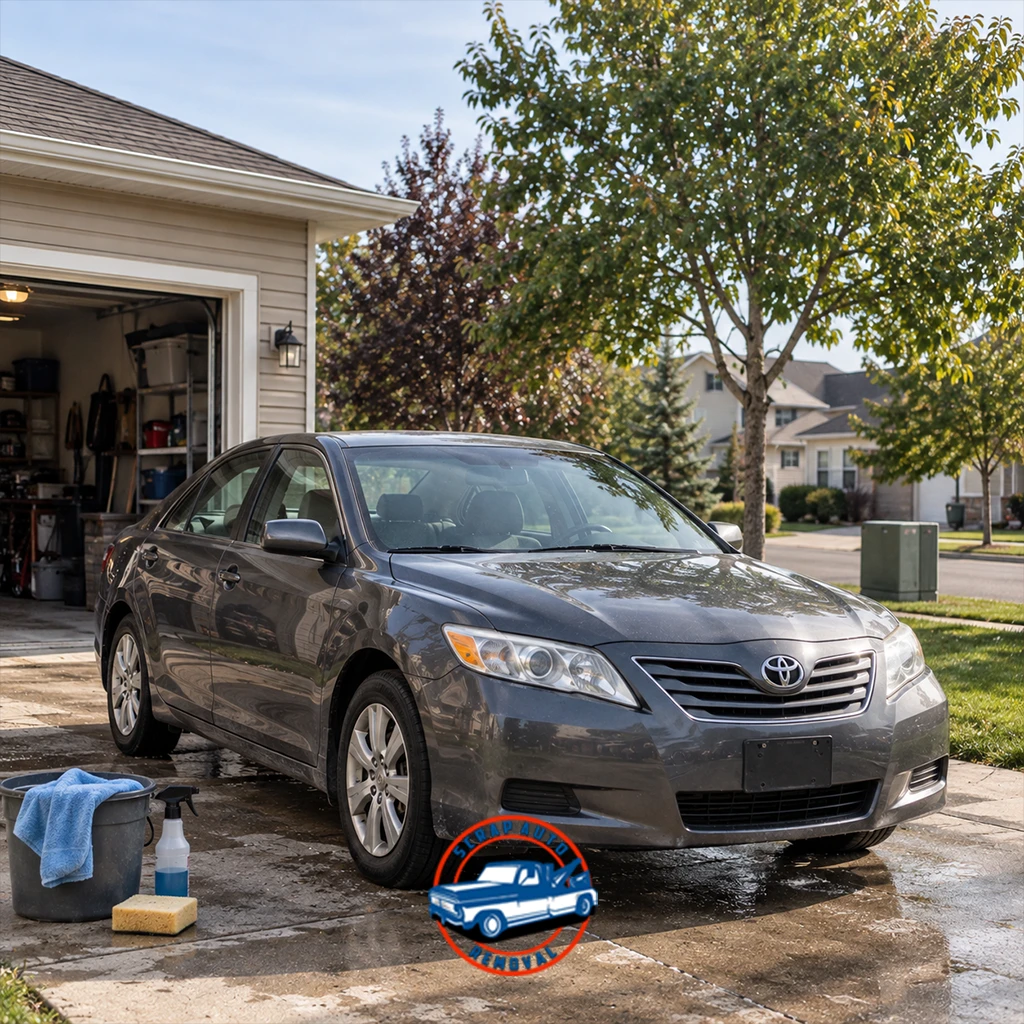
Dings, dents, rust spots, torn upholstery, stained carpets, and lingering odours can significantly deter buyers, regardless of mileage. A clean, well-presented car suggests careful ownership and makes it more appealing. Taking the time for a thorough detailing can pay off big time.
Mechanical Soundness
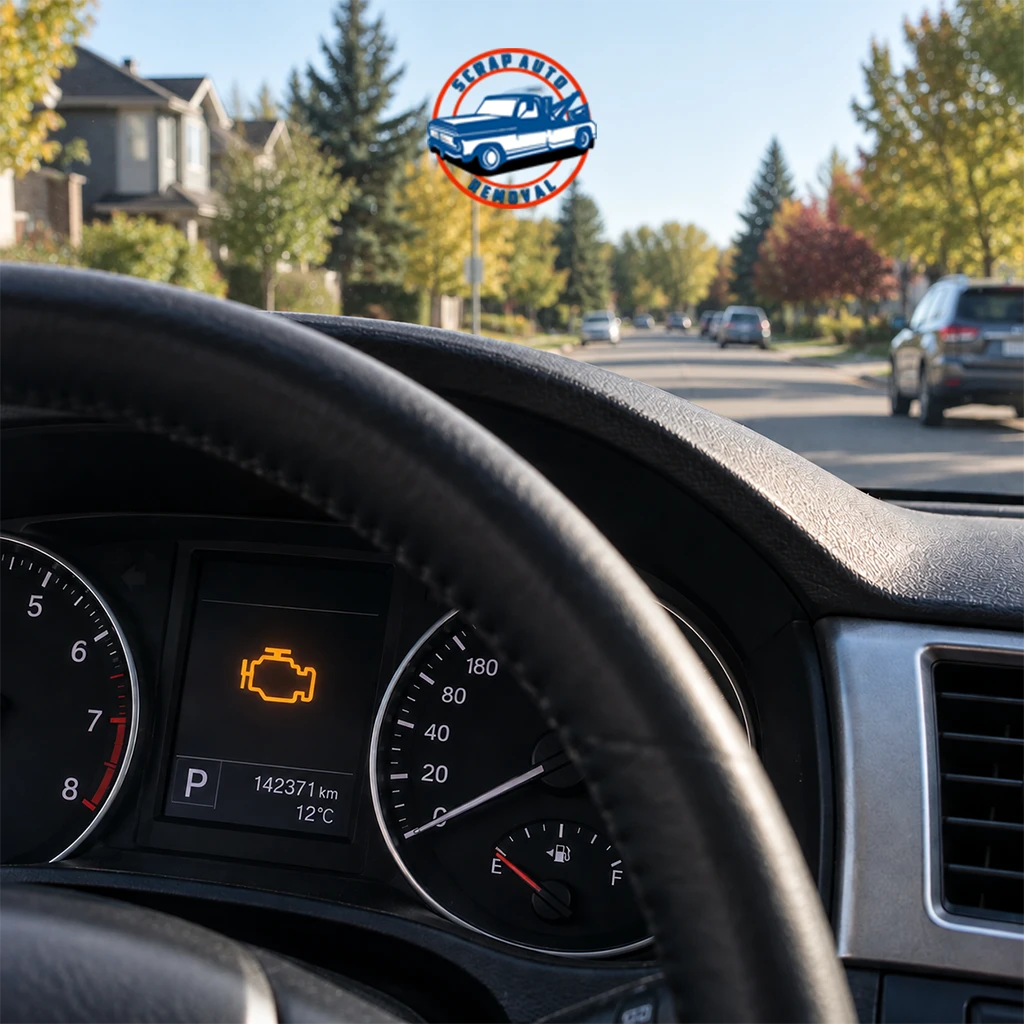
Does the engine run smoothly? Do the brakes feel strong? Does the transmission shift without hesitation? Are there any warning lights on the dashboard? Addressing minor issues before selling can make a huge difference.
Make and Model Reliability
Some car brands and specific models are renowned for their longevity and ability to rack up high mileage without major issues (e.g., certain Toyota, Honda, or Subaru models). These cars might hold their value better at higher mileages than brands with a less stellar reliability record.
Driving Conditions (City vs. Highway)
A car with 150,000 km of predominantly highway driving (consistent speeds, less braking, fewer starts/stops) is generally considered to have less wear than a car with the same mileage accumulated through stop-and-go city driving. If your mileage is primarily highway, highlight this!
Your Personal Circumstances: When is the Right Time for You?
Ultimately, the decision of what mileage should I sell my car also comes down to your personal situation and financial goals.
Desire for a New Car: The Emotional Pull
Sometimes, the most compelling reason to sell your car, regardless of its odometer reading, comes down to a simple, personal desire for change. You might be craving the latest technology, better fuel efficiency, enhanced safety features, or simply the fresh feel of a brand-new vehicle. An emotional readiness for an upgrade often plays a significant role, potentially outweighing the purely financial considerations of depreciation or upcoming maintenance. It’s about how the vehicle fits into your lifestyle and aspirations, and if you’re no longer inspired by your current ride, the right time to sell might simply be now.
Impending Major Repairs: Dodging the Bullet
One of the most practical and financially driven reasons is the looming threat of a significant, costly repair. If your trusted mechanic has delivered news of an expensive service or component replacement on the horizon – perhaps a transmission rebuild, major engine work, or a complex suspension overhaul – and you’re not enthusiastic about sinking thousands more into an aging vehicle, selling before that repair becomes mandatory is a very smart move. This strategy allows you to offload the car while it’s still running (even with known issues) and avoid a substantial out-of-pocket expense that you might never fully recoup in the sale price.
Changing Needs: Adapting to Life’s Shifts
Life happens, and often, your vehicle needs to adapt to those changes. The question of mileage can become secondary to evolving personal circumstances. Perhaps your family has grown, necessitating a larger SUV or minivan. Conversely, maybe the kids have moved out, and you no longer need that spacious family hauler, opting for something smaller and more fuel-efficient. A new job with a longer commute might push you towards a hybrid, or a move to the city might mean you need a smaller, more maneuverable car. These shifts in your personal or professional life frequently dictate that it’s time for a different vehicle, regardless of the kilometers already accumulated on your current one.
Financial Goals: Optimizing Your Investment
Ultimately, your personal financial goals are a huge determinant when considering the mileage you should sell your car at. Are you primarily focused on minimizing the total depreciation loss on your vehicle? In that case, selling before the car hits certain mileage thresholds (like 100,000 km) where depreciation tends to level off might be your best bet. Are you simply trying to maximize the cash you have in hand right now, perhaps for a down payment on a new car or another investment? Or, conversely, is your main goal to avoid future, unpredictable expenses that come with an aging vehicle? Clearly defining these financial priorities will guide your decision on the opportune moment to sell.
The Depreciation Curve: A General Guide

While every car is different, there’s a general pattern to how vehicles depreciate over time and mileage.
- First Year: This is when a new car experiences its most significant depreciation, often losing 15-25% of its value just by being driven off the lot and through the first year.
- Years 2-3 / 30,000-60,000 km (18,000-37,000 miles): Depreciation continues, but at a slower rate. This can be a decent time to sell if you want a relatively new car without absorbing the initial massive drop.
- Years 4-6 / 60,000-100,000 km (37,000-62,000 miles): Depreciation slows further. This is often the “sweet spot” for many sellers, as the car is past its steepest depreciation curve but still perceived as reliable.
- Beyond 100,000 km (62,000 miles): The rate of depreciation often levels off significantly after this point. While the overall value is lower, the rate at which it loses value per kilometer driven is less dramatic than in its early life. If you’ve driven your car beyond this point, you’ve likely gotten good use out of it, and any further depreciation per kilometer is minimal.
So, if you’re looking to minimize depreciation, selling before 100,000 km is generally recommended. However, if you’ve already passed that mark and plan to drive it for many more years, the financial argument for selling immediately becomes less about depreciation and more about avoiding major repair costs.
What if My Car Has Really High Mileage?
If your car’s odometer has spun well past the 150,000 km or even 200,000 km mark, the question shifts dramatically from “what mileage should I sell my car for maximum value?” to “what is the most efficient and practical way to sell it?” At this stage, setting realistic expectations is paramount; the market for such high-mileage vehicles is considerably smaller, and the prices they command are significantly lower.
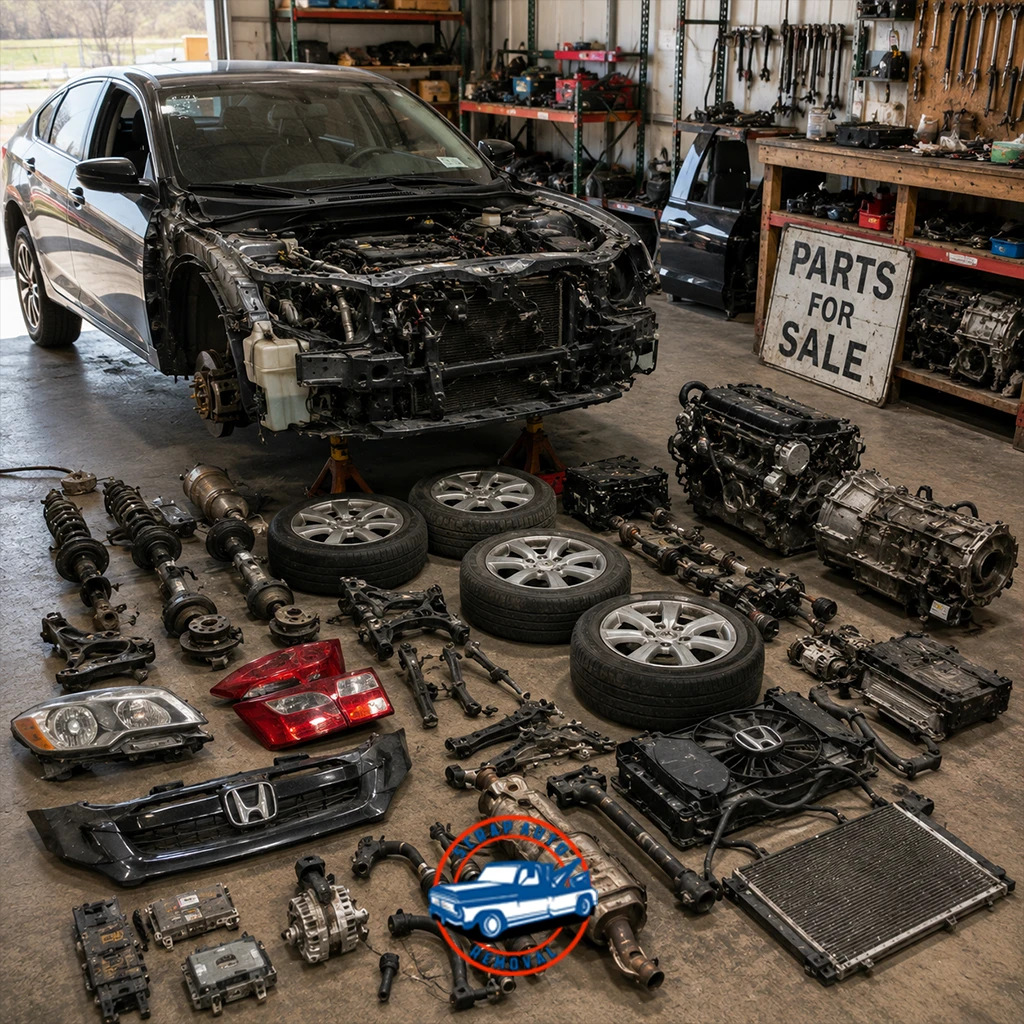
Your primary strategy should involve highlighting maintenance: extensively emphasize any recent major services, significant parts replacements (like a new transmission or engine work), and crucially, provide a strong, verifiable maintenance history to reassure potential buyers about the vehicle’s continued reliability despite its age. When it comes to finding a buyer, target specific individuals such as budget-conscious buyers seeking affordable transportation, mechanics or DIY enthusiasts who can handle potential repairs themselves, or those looking for “parts cars” if major components are still functional.
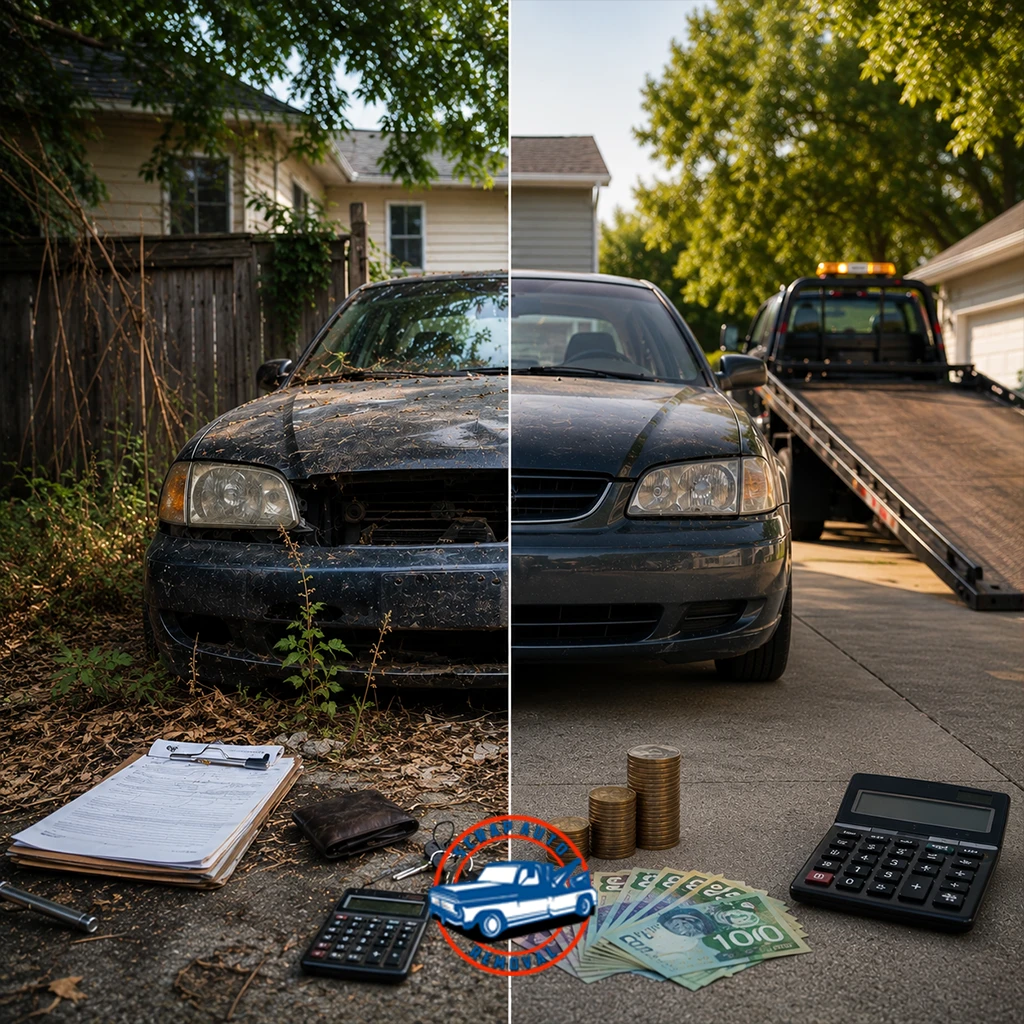
For vehicles truly nearing the end of their usable life, even with high mileage, Scrap Car Removal Calgary provided by Scrap Auto Removal, is a hassle-free solution, buying cars in any condition, offering competitive cash payments, and managing the entire removal process, making it easy to dispose of your unwanted vehicle in Calgary.
Conclusion: Making the Informed Decision
The question of what mileage should I sell my car doesn’t have a single, universal answer. It’s a blend of market psychology, financial realities, and your personal circumstances. Generally, selling before major maintenance milestones (like 60,000 km or 100,000 km) can help you get a better price and avoid repair costs.
However, if your car is already well into high mileage territory, focusing on its condition, maintenance history, and targeting the right buyer (or a reliable scrap service) will be your most effective strategy. Ultimately, the “best” mileage to sell is when the car’s current value, combined with your willingness to manage potential repairs, aligns with your personal and financial goals.