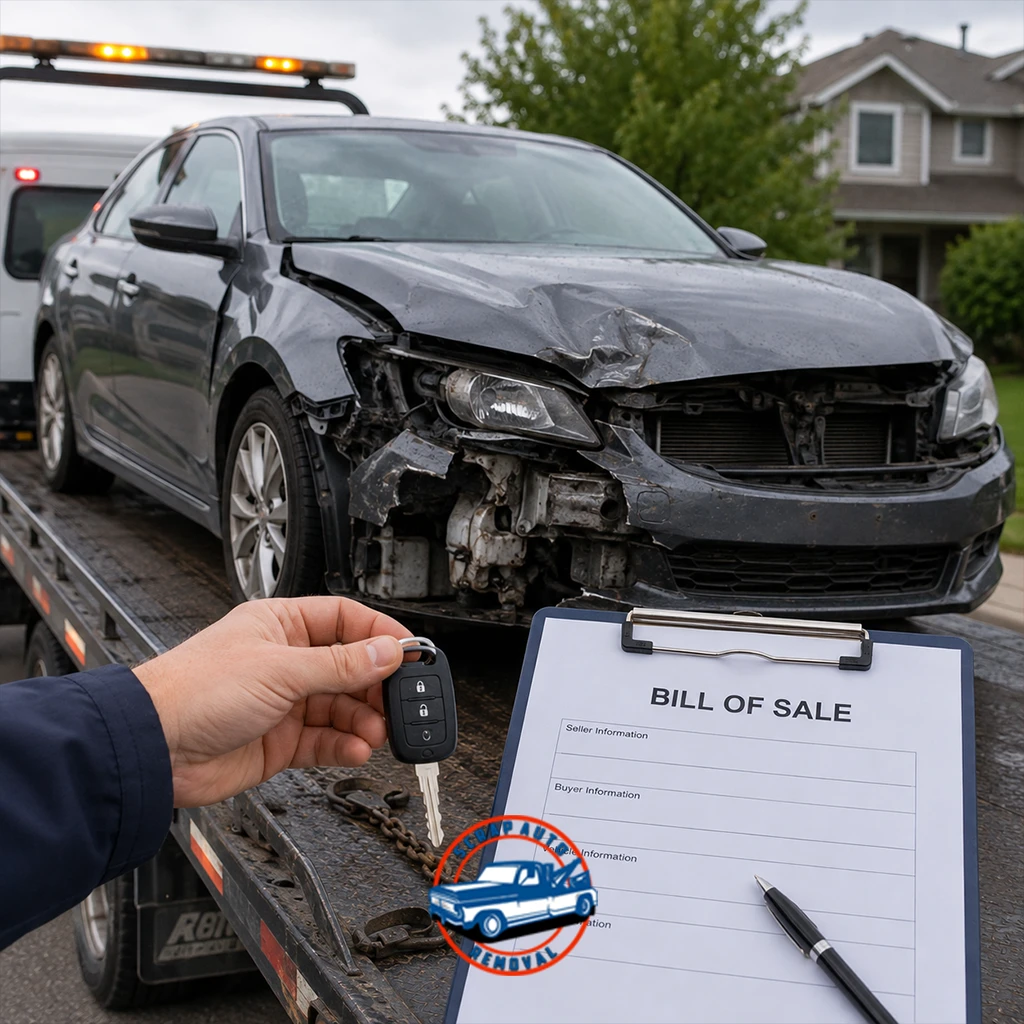
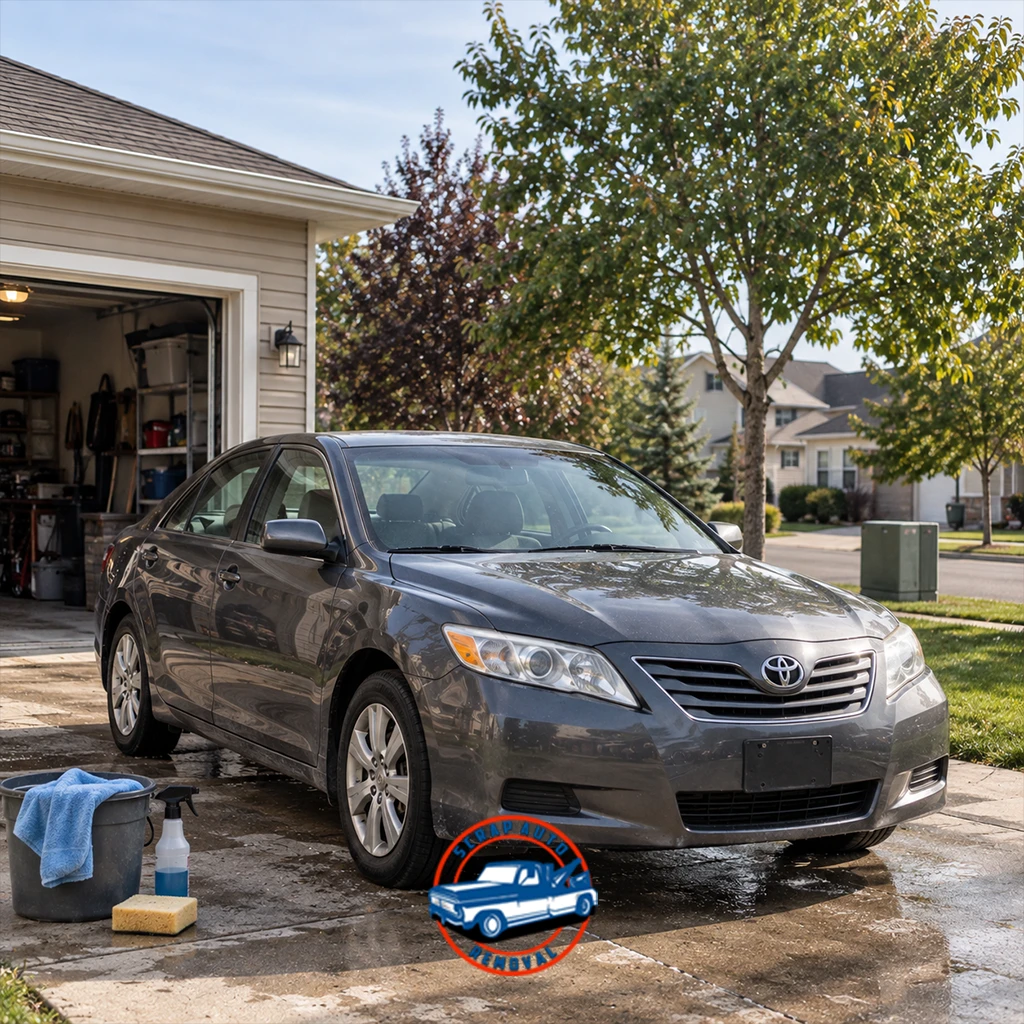

Getting more money for a used car comes down to knowing which steps actually move the number for your specific vehicle. The right answer depends on the car’s condition, what local buyers are paying, and which selling route fits your situation. Spending on repairs or detailing before you sell isn’t always the right move. Accepting the first offer you receive almost never is. And the difference between a quote that includes towing and one that deducts it at pickup can be worth more than most sellers realize.
This post covers the practical steps that consistently produce better outcomes, whether you’re selling privately, trading in, or looking for a direct cash offer on an older or high-mileage vehicle.
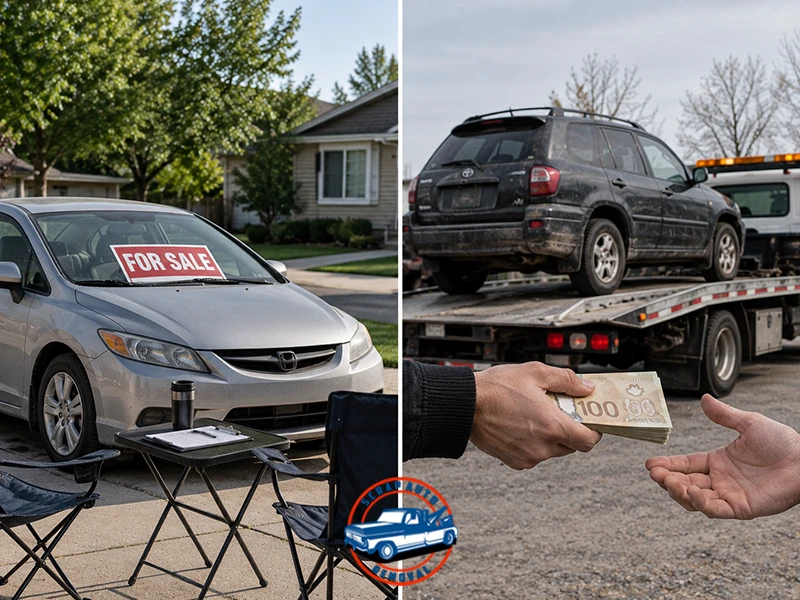
Should You Sell Your Used Car Privately or for Cash?
Before anything else, it helps to be honest about which market your vehicle belongs to. Not every used car is the same selling situation, and the approach that works for a clean three-year-old SUV won’t work for a ten-year-old sedan with 230,000 km on it.
Private sale works well when:
- The vehicle is running, relatively recent, and in decent overall condition
- The make and model has strong demand in your area
- You have two to four weeks to field offers and manage viewings
- The return over a trade-in or direct sale justifies that time
A direct cash buyer makes more sense when:
- The vehicle has high mileage, cosmetic damage, or mechanical issues
- Dealers have offered next to nothing or turned it away entirely
- The listing would take weeks to attract a serious buyer
- You need it gone without repairs, cleaning, or delivery
Knowing which category you’re in is the first tip. Most of the advice for maximizing used car value assumes the first scenario. If your car fits the second, applying first-scenario tactics wastes time and sometimes money.
What Not to Spend Money on Before Selling a Used Car
A common mistake with older or high-mileage vehicles is spending on repairs or detailing to improve the sale price. On a newer, privately sellable car, presentation matters. On a vehicle that’s going to a buyer who prices it by condition and metal value, it matters far less.
Will Repairs Increase Your Used Car's Sale Price?
On an older vehicle, compare the repair cost with the amount it’s realistically expected to add to the sale price before spending the money. If the car needs $800 in repairs and that brings the private sale price up by $500, you’ve lost money on the repair. For vehicles with major mechanical issues, the cost of getting them running may not be recovered in the sale price.
Does Detailing Help When Selling a Used Car for Cash?
For a scrap-oriented or parts-focused buyer, extensive detailing generally has much less effect on the offer than the vehicle’s condition, components, and material value. Save that money.
What to Do Before Pickup
Regardless of vehicle type, these steps cost nothing and make the transaction faster:
- Remove all personal belongings
- Pull any aftermarket accessories you want to keep (sound systems, floor mats, roof racks)
- Have your registration and government-issued photo ID ready
- Remove your licence plates before pickup, since plates stay with the seller in Alberta
These cost nothing and make the transaction faster.
How to Compare Used Car Offers and Get the Best Payout
One of the simplest ways to leave money on the table is accepting the first offer you receive. Quotes can vary between buyers because different businesses place different values on resale potential, reusable components, material value, and current market conditions.
What a Dealer Trade-In Offer Actually Reflects
A dealer trade-in is based on what they can resell or wholesale the vehicle for, minus their margin. For a newer vehicle in good shape, that margin might be reasonable. For an older or high-mileage vehicle, the dealer has to account for reconditioning costs, auction risk if they can’t retail it, and the carrying cost of having it sit on the lot. All of that comes off the offer before you hear a number. For vehicles that are damaged, high-mileage, or simply not retail-ready, many dealers will decline the trade entirely or quote near zero to discourage the conversation.
How a Cash Buyer Prices Your Vehicle
A cash buyer prices the whole vehicle: its weight, components, make and model demand, and current parts and metal markets. Unlike a dealer, they’re not trying to resell it on a lot, so condition issues that would disqualify a trade-in don’t disqualify a cash offer. Two cash buyers can quote differently depending on their business model, what parts they currently need, local market demand for that make and model, material prices, and operating costs. That’s why getting more than one number matters even within the same buyer category.
Always Factor in Towing Before Accepting an Offer
Get at least two quotes before accepting anything, and compare the net payout after towing. Some buyers lead with a strong number but deduct towing costs at pickup, so the actual payout is lower than the figure you agreed to over the phone. On older or lower-value vehicles, a towing deduction of $100 to $200 can represent a significant portion of the total offer. A firm quote that includes free towing and doesn’t change at the door is a more reliable basis for comparison than a higher headline number with hidden deductions.
Does Timing Affect How Much You Get for a Used Car in Alberta?
There’s common advice that spring and summer are the best times to sell a used car in Alberta because more buyers are active. Private-sale activity can vary seasonally, but for vehicles going to cash or scrap buyers, offers are more directly affected by current vehicle, parts, and metal markets. Steel and other scrap metal prices fluctuate with market conditions. A quote from several months ago may not reflect what the market is paying today. If you’ve been sitting on a vehicle for a while, get a fresh quote rather than assuming the number you heard last year still applies.
How Vehicle Condition Affects Your Used Car's Cash Offer
Two cars can look similar on the driveway and still get very different cash offers. The difference often comes down to what’s working, what’s missing, and what condition the major components are in. Knowing which parts matter most helps you describe the vehicle accurately and get a quote that better matches what you’ll see at pickup.
Why an Accurate Description Gets You a Better Quote
Whether you’re selling privately or to a cash buyer, accuracy about your vehicle’s condition leads to a better outcome. For a cash buyer, an accurate description upfront produces a quote that holds at pickup. If you describe the car as having an intact engine and the buyer finds it seized on arrival, the offer will change and you’ve wasted a booking.
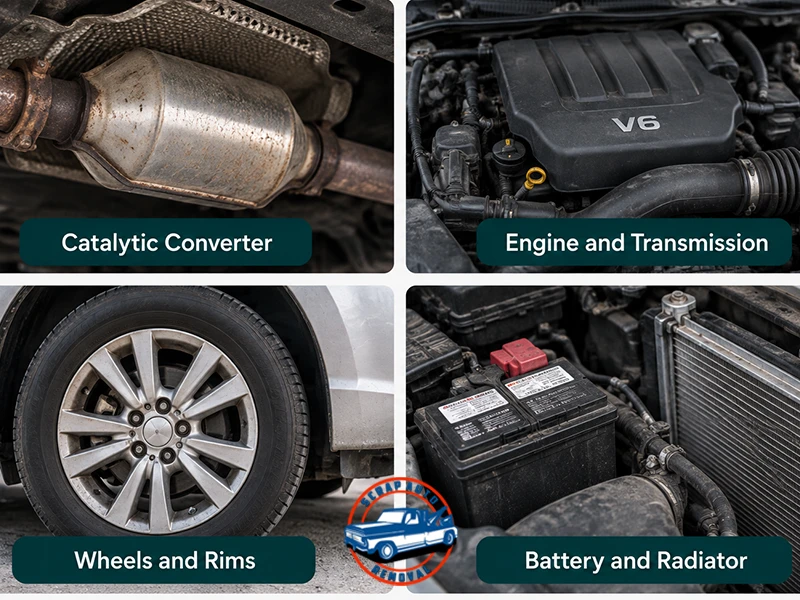
Key Components That Move the Cash Offer Up or Down
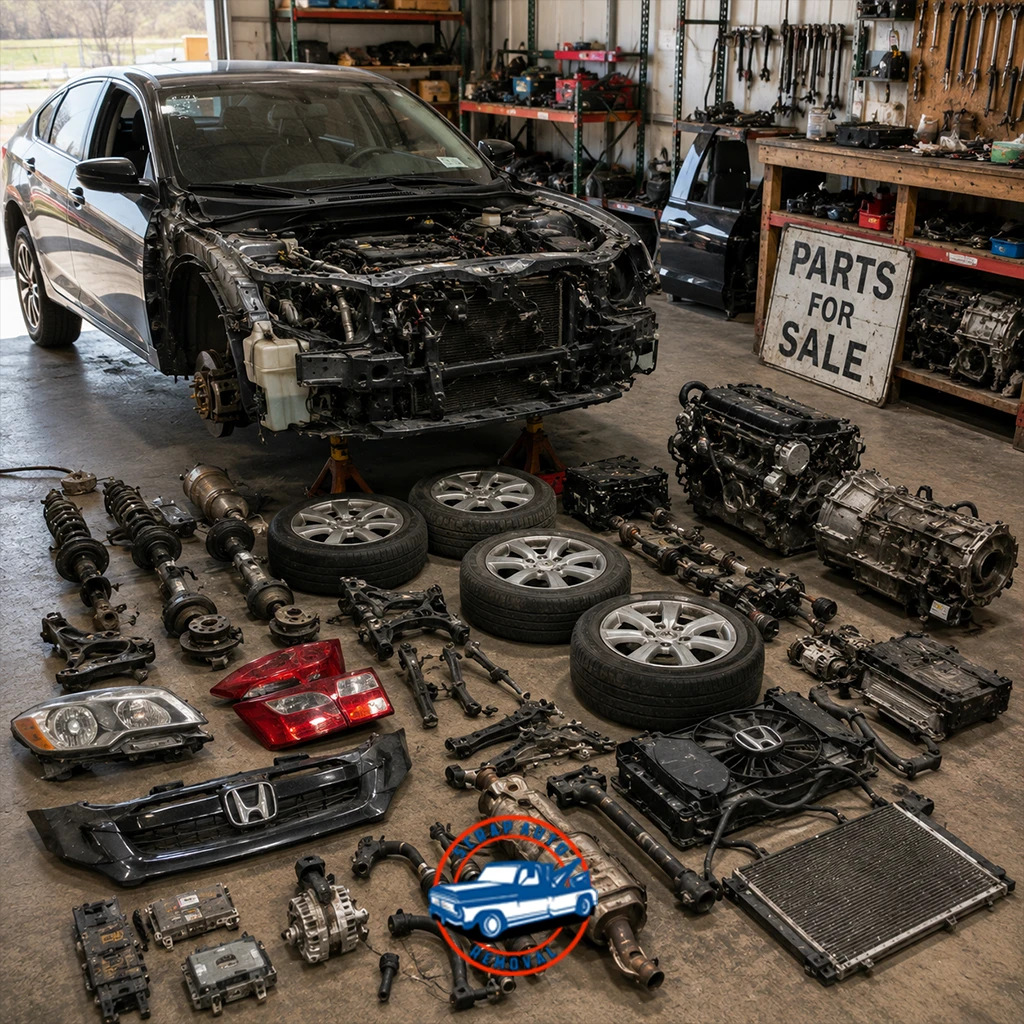
- Catalytic converter: Present and intact adds meaningful value. Missing, it reduces the offer noticeably.
- Engine and transmission condition: Whether they run, are intact, and are complete can all affect the offer.
- Wheels and rims: Present or missing affects the offer.
- Battery and radiator: Part of overall vehicle completeness.
You don’t need to know every detail, but knowing what’s there and what isn’t gives you a more accurate first quote and avoids surprises at pickup.
Does Free Towing Affect Your Used Car Payout?
Towing arrangements vary between scrap and cash car buyers. Some include towing in the quoted price. Others deduct it at pickup, which means the number you agreed to over the phone isn’t the number you receive.
Before confirming a pickup, ask directly: is towing included in this offer, or does it come off the payout? The answer tells you the real number you’re working with and lets you compare quotes properly. A buyer who includes towing in a firm, guaranteed offer is worth more than a higher-sounding number that gets adjusted at the door.
Frequently Asked Questions
For a vehicle going to a cash or scrap buyer, the offer is generally driven more by the vehicle's condition, weight, make, model, and recoverable components than by cosmetic presentation. Remove personal belongings and any accessories you want to keep, but extensive detailing is unlikely to affect what you're offered.
For private sales of running vehicles, spring and summer typically bring more active buyers. For cash and scrap sales, the more relevant timing factor is current scrap metal prices, which shift monthly. A quote from several months ago may not reflect what the market is paying today. Getting a fresh quote before committing gives you an accurate picture.
Different buyers price differently. A dealer trade-in is based on resale potential and their margin. A cash buyer prices the whole vehicle including its weight, components, and parts demand in your area. Two cash buyers can also quote differently based on their current business needs.
Have the year, make, model, and approximate mileage ready, along with a brief description of the condition. It helps to know whether the catalytic converter, engine, and transmission are intact, and whether there are any major missing components. Accurate information upfront produces a quote that's more likely to hold at pickup.
Less than most people expect. Cash buyers price what's still in the vehicle, not whether it starts. A non-running car with an intact engine and drivetrain will receive a stronger offer than one that runs but has a seized transmission. The condition of the major components matters more than whether the vehicle moves under its own power.
Ready to Find Out What Your Car Is Worth?
If you’ve got a used vehicle in Alberta that you’re ready to move on from, email us at [email protected] with the year, make, model, mileage, and a brief description of the condition. We’ll give you a firm offer quickly with no obligation to accept. Free towing is included across Calgary and communities throughout Alberta. Payment is arranged at pickup and we handle the paperwork at your location.
The Final Word
Getting more money for a used car starts with an honest read of which market that car actually belongs to. For vehicles in good shape with real private sale potential, preparation and timing genuinely matter. For older, high-mileage, or mechanically compromised vehicles, the better strategy is getting multiple quotes, comparing net payouts after towing, knowing what components are still in the car, and not spending money on repairs or detailing that won’t come back. Scrap metal pricing moves with the market, so a fresh quote is always more reliable than an old one. And knowing exactly what “free towing” means in any offer is a small question that consistently produces a better outcome.
References
Sources
- Government of Alberta. Buying or Selling a Vehicle. https://www.alberta.ca/buying-selling-vehicle
- Government of Alberta. Standard Bill of Sale. https://www.alberta.ca/standard-bill-sale
- Government of Alberta. Scrap Metal Transactions. https://www.alberta.ca/scrap-metal-transactions
- Alberta Motor Vehicle Industry Council (AMVIC). Don’t Be Surprised by Vehicle Condition. https://www.amvic.org/dont-be-surprised-by-vehicle-condition/
- Automotive Recyclers of Canada (ARC). Canadian Auto Recyclers’ Environmental Code (CAREC). https://autorecyclers.ca/canadian-auto-recyclers-environmental-code/