
No single type of buyer pays the most for every junk car in Alberta, the answer depends entirely on what kind of junk car you actually have. A stripped, non-running sedan and a drivable vehicle that’s simply old or unwanted aren’t worth the same thing to the same buyers, and assuming otherwise is how a lot of sellers end up leaving money on the table. Scrap yards, salvage yards, private buyers, and direct cash buyers all price vehicles differently, based on different priorities, weight, parts, drivability, so the “best” option shifts depending on your specific vehicle.
This guide breaks down what each type of buyer actually pays for, where each one tends to come out on top, and how to make sure you’re getting a fair number no matter which route you choose.
Have a Vehicle That Fits the Direct Cash Buyer Category?
If your vehicle is non-running, damaged, or otherwise not a fit for private sale, Scrap Auto Removal serves Calgary and more than 30 Alberta communities with same-day pickup and cash offers based on real weight, parts, and condition. Get a quote or email [email protected] for a free, no-obligation quote.
Why Getting Paid the Most Depends on Your Vehicle
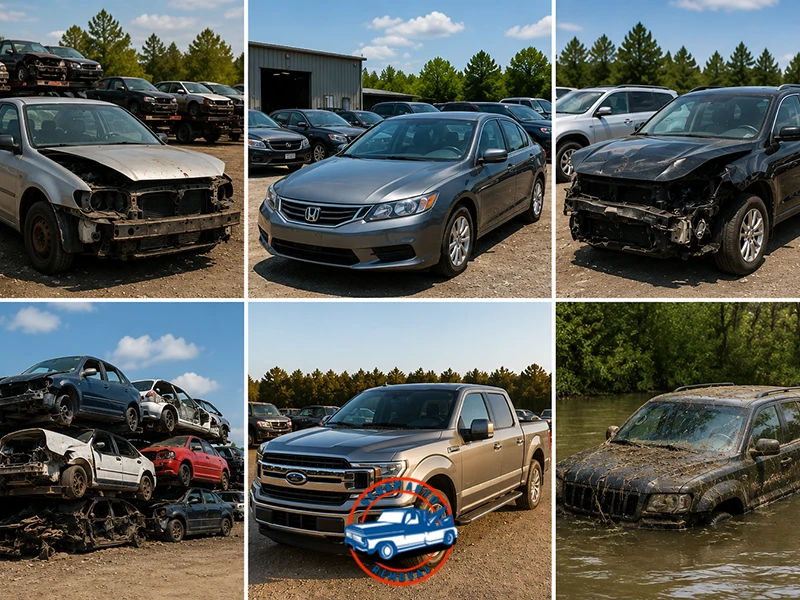
Before comparing buyers, it helps to know which category your vehicle falls into. A non-running, heavily damaged, or very old vehicle is worth its weight and any salvageable parts, nothing more. A running, drivable vehicle, even an older one, has resale value beyond scrap and parts, since someone could actually use it. A vehicle written off by insurance sits somewhere in between, depending on what’s still functional. These are fundamentally different markets, and the buyer who pays the most for one is rarely the same buyer who pays the most for another.
Scrap Yards and Metal Recyclers
Scrap yards price primarily on metal weight, using current Alberta steel rates as the baseline, currently in the range of roughly $150 to $280 per metric ton depending on the market. This makes them fast and straightforward, but typically the lowest end of the payout range unless the vehicle happens to have valuable intact parts like a catalytic converter. For a vehicle that’s genuinely at the end of its life, stripped, heavily rusted, or missing major components, a scrap yard is often the realistic option, but rarely the highest-paying one if there’s any other value left in the vehicle. Scrap yards also tend to be the least selective about what they’ll accept, which is part of why they’re a reliable fallback even when they’re not the top payer.
Salvage Yards
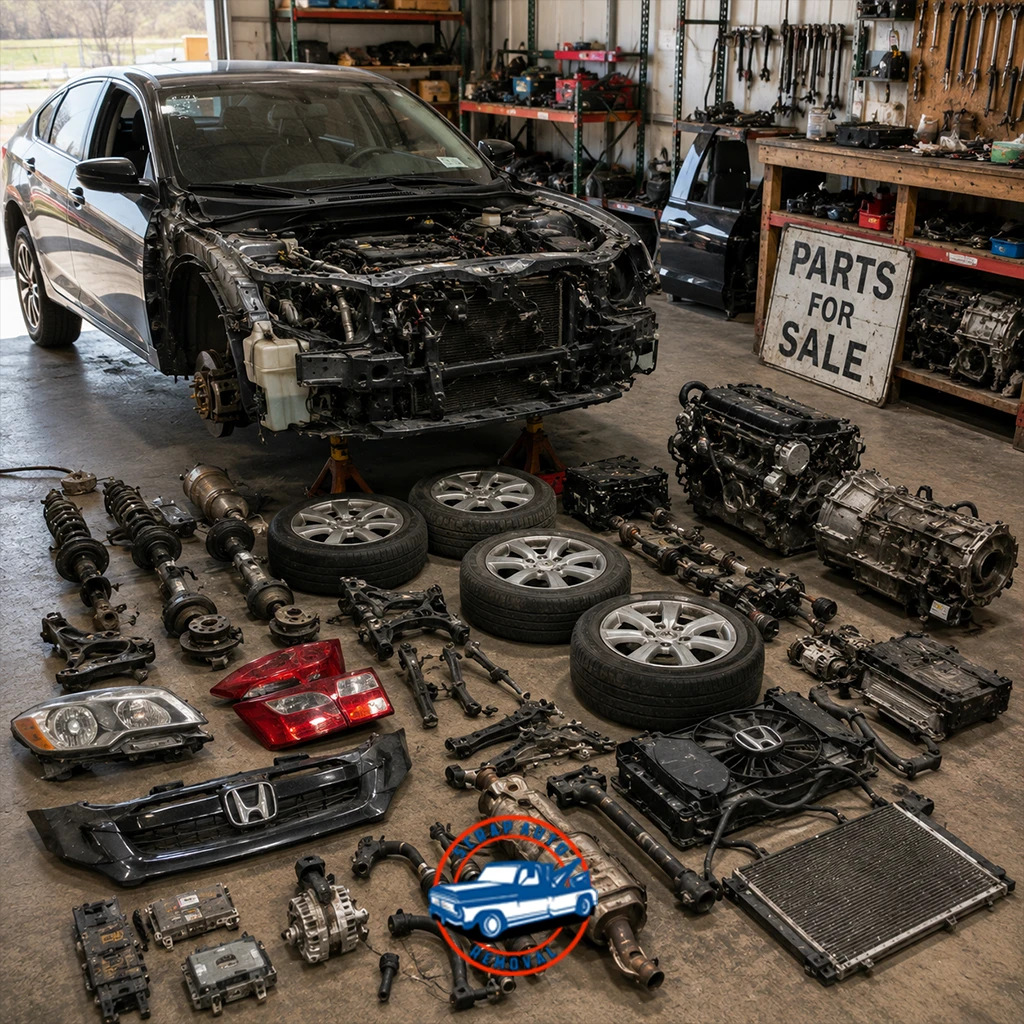
Salvage yards work differently. They resell usable components, engines, transmissions, body panels, rather than just recycling the metal, so they can often pay more than a pure scrap yard if the vehicle has functional major parts. The tradeoff is that salvage yards are pickier, a vehicle with little resalable value doesn’t get much of a premium over scrap pricing, and some salvage yards will decline vehicles that don’t have enough usable components to be worth the extra assessment. This option tends to pay best for vehicles with a working drivetrain and demand for their specific parts, even if the vehicle itself isn’t worth fixing or driving.
Private Buyers
For a vehicle that still runs and drives, a private buyer can pay the most of any option, since they’re paying for a usable car, not just its components. This only applies if the vehicle is genuinely worth privately selling, though. A non-running or heavily damaged vehicle attracts very little private interest, and the time spent trying to sell one this way, listing it, screening inquiries, waiting for a serious buyer, usually isn’t worth the marginal difference over a direct offer. Private sale is the top-paying option specifically for vehicles in the “still runs, just not wanted” category, not for anything further gone than that.
Direct Cash Junk Car Buyers
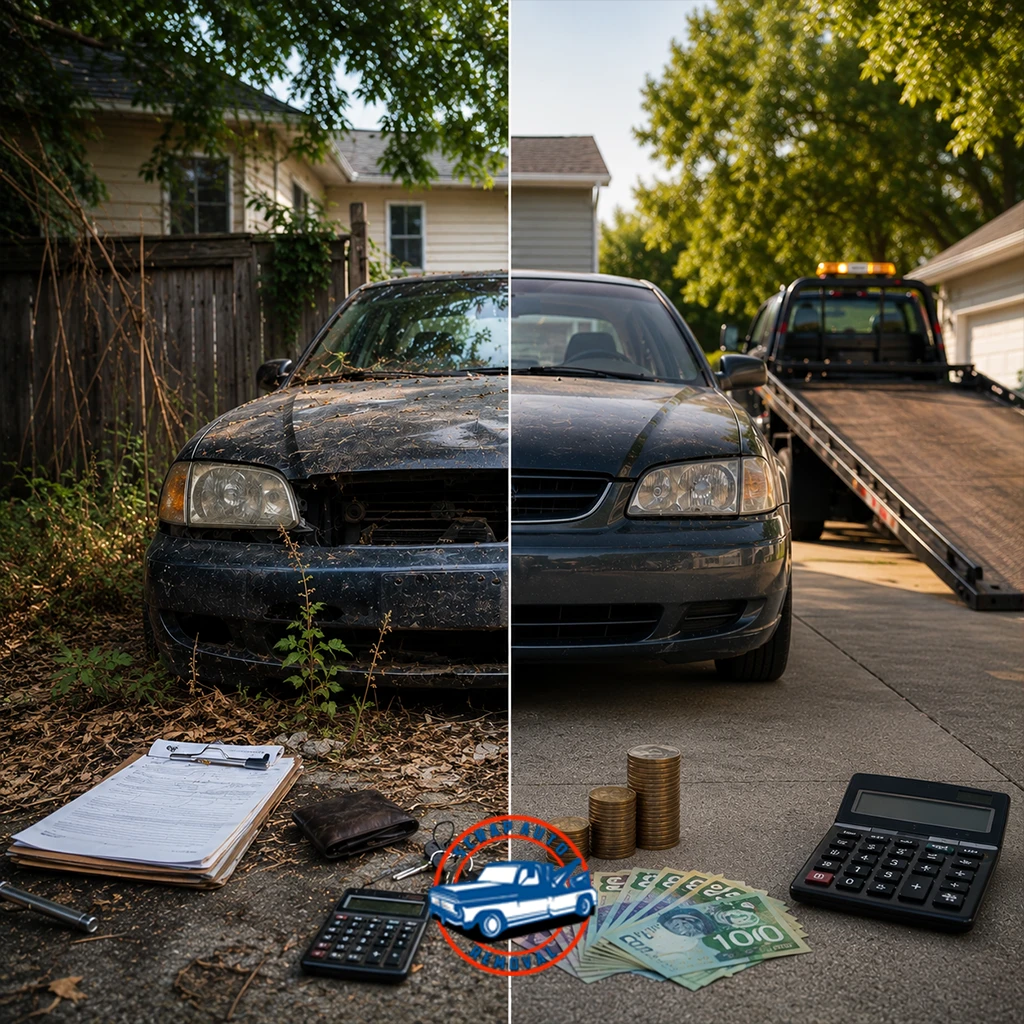
This is the practical middle ground. A direct cash buyer evaluates weight, parts, and condition together, rather than pricing on just one factor the way a pure scrap yard does. For vehicles too far gone for a private sale but with more going for them than scrap value alone, non-running but complete, moderately damaged, or simply old with a decent parts profile, this is typically where the best combination of price and convenience lands. It won’t out-pay a strong private sale on a running vehicle, but it consistently beats scrap-only pricing on anything with real parts or condition value, and it does so without the paperwork and pickup logistics of arranging a scrap or salvage yard drop-off yourself.
Which Buyers Also Purchase Insurance Write-Offs?
A vehicle declared a total loss by insurance is a special case worth calling out separately. These vehicles often retain significant value even after being written off, since the damage that triggers a total loss determination doesn’t always affect the parts or components that make up most of a vehicle’s worth. Direct cash buyers and salvage yards are typically better positioned to assess this kind of vehicle fairly than a general scrap yard, since accurately pricing a write-off means evaluating exactly what survived the incident, not just weighing the vehicle as a whole.
Side-by-Side Comparison
| Buyer type | Pays based on | Typical speed | Best-fit vehicle |
|---|---|---|---|
| Scrap yard | Metal weight | Same day | Stripped, non-running, low remaining value |
| Salvage yard | Resalable parts | Same day to a few days | Non-running but complete, functional major parts |
| Private buyer | Full vehicle usability | Days to weeks | Running, driveable, genuine market demand |
| Direct cash buyer | Weight, parts, and condition combined | Same day | Non-running to moderately damaged, more value than scrap alone |
How to Make Sure You're Getting the Top Price From Whichever Buyer You Choose
Once you’ve figured out which category your vehicle falls into, a few habits help make sure you’re actually getting a fair number within that category:
- Get more than one quote from the same type of buyer. Pricing isn’t standardized, so a single quote doesn’t tell you if it’s competitive, even between two buyers doing the same type of assessment.
- Confirm what’s included. Free towing, no hidden fees, and clear payment timing should all be stated upfront, not discovered at pickup.
- Verify licensing where applicable. A legitimate Alberta buyer should be able to confirm their status without hesitation or vague answers.
- Be upfront about the vehicle’s actual condition. An accurate description gets you a more accurate quote the first time, rather than an adjustment once the buyer sees it in person.
FAQs
It depends entirely on your vehicle's condition. Private buyers typically pay the most for running, driveable vehicles, since they're paying for full usability. Direct cash buyers usually pay the most for non-running or damaged vehicles that still hold real parts or condition value.
Often, yes, when the vehicle has functional major parts like an engine or transmission. Scrap yards price mainly on metal weight alone, while salvage yards factor in resalable components, which can result in a noticeably higher offer for the exact same vehicle.
Significantly more in most cases, since a running vehicle can be resold as a whole car rather than valued for parts and scrap weight alone. The exact gap depends on the vehicle's age, overall condition, and current local market demand for that model.
Yes. Pricing varies meaningfully between buyers, even within the same category of buyer, so a single quote doesn't confirm whether it's actually competitive. Comparing at least two offers from the same type of buyer is the most reliable way to check.
They can be, especially when speed and convenience matter more than squeezing out the absolute highest price. A private sale will typically pay more for a running vehicle, but a direct buyer offers a faster, simpler transaction without listing or screening inquiries.
The Bottom Line
There’s no universal answer to who pays the most for a junk car in Alberta, because “junk car” covers a wide range of actual conditions, and each buyer type is built around a different one. Scrap yards make sense for vehicles with nothing left but metal. Salvage yards do better when real parts value exists. Private buyers pay the most for anything still running and drivable. Direct cash buyers cover the middle ground that the other three don’t serve well, including insurance write-offs that need a more careful assessment than a flat scrap price. Matching your vehicle to the right category, rather than assuming one type of buyer always pays best, is what actually gets you the highest number.
Sources
- AMVIC (Alberta Motor Vehicle Industry Council) — vehicle condition disclosure requirements, licensing verification
https://www.amvic.org/consumer/buying-a-vehicle/buying-used/ - AMVIC — general code of conduct and Consumer Protection Act obligations
https://www.amvic.org/about-us/laws-and-regulations/general-code-of-conduct/ - ScrapMonster Canada — live scrap steel and metals pricing by province, including Alberta
https://www.scrapmonster.com/scrap-yards/prices/alberta/state/3006 - Government of Alberta — buying and selling a vehicle from a private seller, precautions
https://www.alberta.ca/buying-vehicle-private-seller - Government of Alberta — Vehicle Bill of Sale form (ARP006)
https://formsmgmt.gov.ab.ca/Public/REG3126.xdp
Have a Vehicle That Fits the Direct Cash Buyer Category?
If your vehicle is non-running, damaged, or otherwise not a fit for private sale, Scrap Auto Removal serves Calgary and more than 30 Alberta communities with same-day pickup and cash offers based on real weight, parts, and condition. Get a quote or email [email protected] for a free, no-obligation quote.